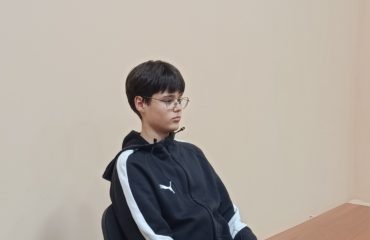
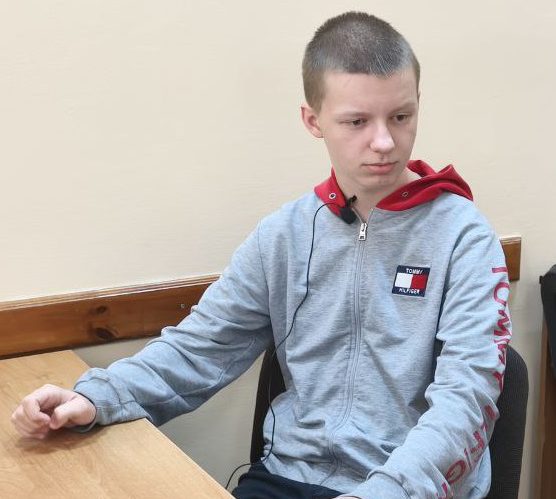
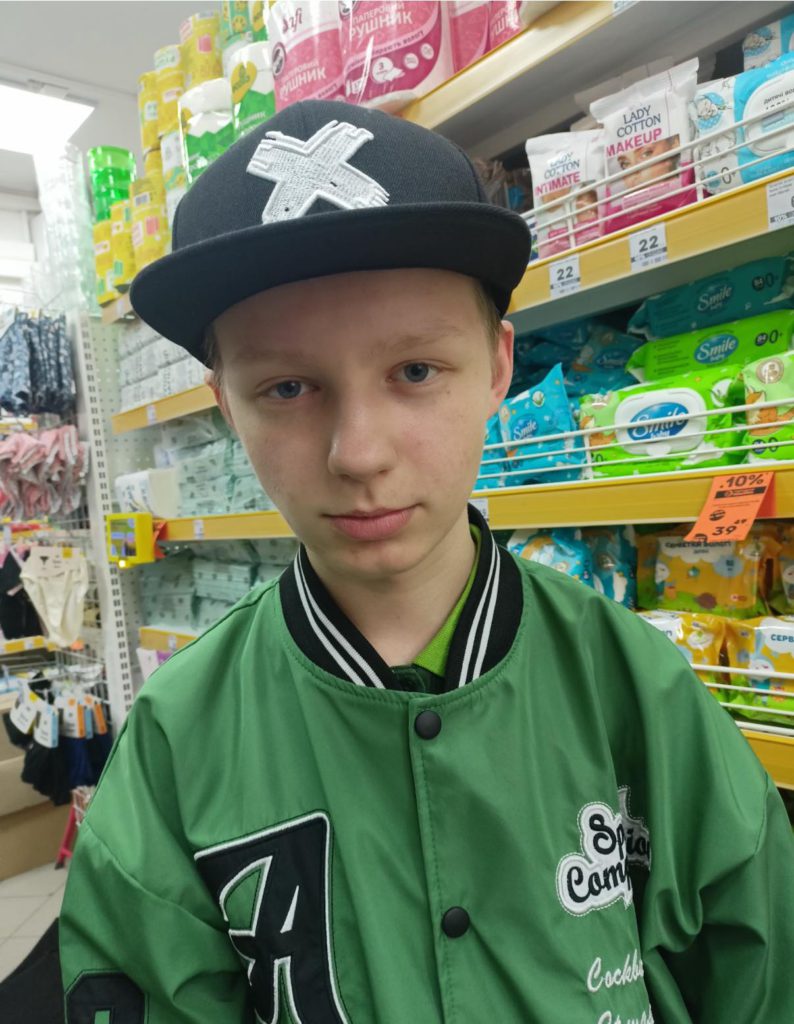
Andrii, 14 years old, from Donetsk region. A teenager whose life was resaped by war and forced displacement. Leaving his home in eastern Ukraine, his journey to safety took him through Uzhhorod and eventually to Vinnytsia. Changing cities, schools, and surroundings became a profound challenge, yet Andrii continues to move forward with resilience and determination. His story reflects growing up in the shadow of war — the loss of a familiar life and the strength it takes for Ukrainian children to adapt and keep building their future.
🎥 Video Story
🟦 1. WHO IS ANDRII
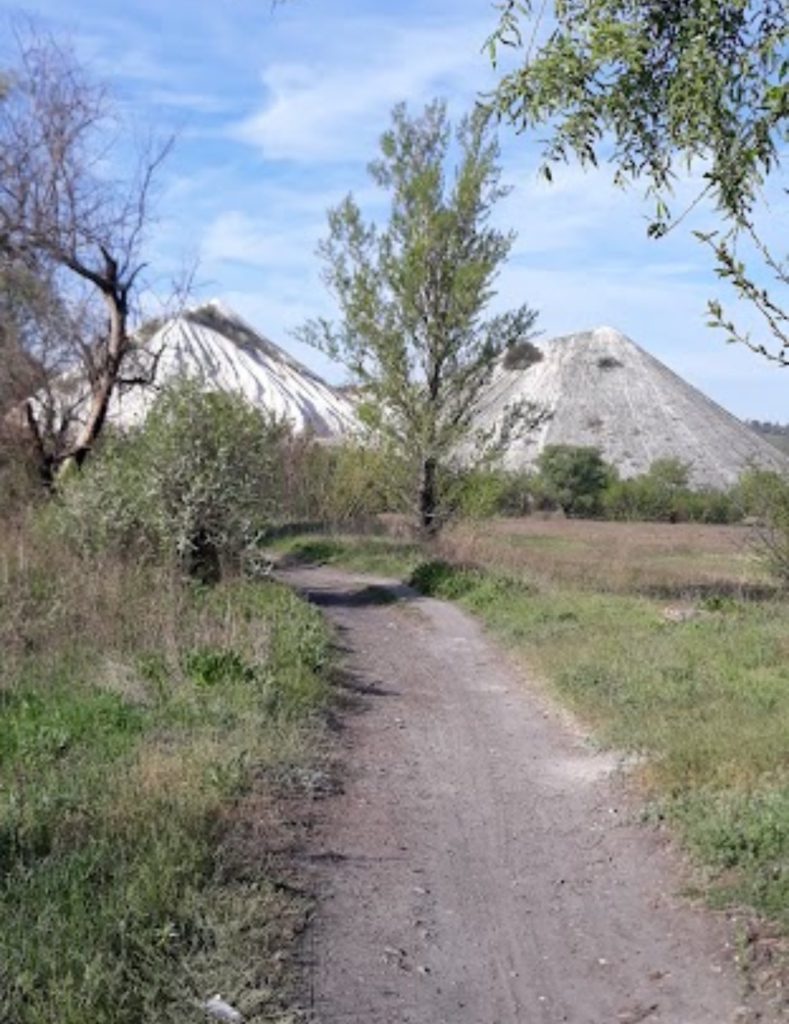
Andrii is a 14-year-old boy from a small village near Sloviansk, Donetsk region.
He remembers the start of the war clearly — he woke up at 4 a.m. to his mother’s words:
💬 “The war has begun.”
No panic, no shouting. Just a quiet thought:
💬 “So… what now?”
🟩 2. BEFORE THE WAR
Before the full-scale invasion, Andrii lived in the village of Sukhanivka.
He attended a nearby city school, studied well, and was passionate about technology.
He collected illustrated books about cars, planes, and ships.
At home, he helped his mother in the garden and often spent time with his father, who raised sheep.
💬 “Our house was simple for a village — a yard with grapevines, an old sofa, a small table, flowers, a cellar…”
🟥 3. THE DAY EVERYTHING CHANGED
After the first explosions, Andrii’s family stayed home for a while — until one night, his mother said:
💬 “We’re leaving for Uzhhorod. Some friends will help us. A car is coming soon.”
They left at night, with just one backpack each.
Andrii didn’t manage to take his diary or his beloved book collection.
💬 “I wanted to take my books about cars and planes, but mom said it wasn’t important. I only packed what I needed for school.”
🟧 4. THE EVACUATION ROUTE
Family route:
Sukhanivka → Sloviansk → train → Uzhhorod → Vinnytsia.
At first, they lived in a warehouse turned into a shelter —
a big room divided by partitions, shared beds, and a common kitchen.
💬 “We slept on mattresses. I was on the top bunk, mom on the bottom. It was crowded, but we got used to it.”
🟦 5. SCHOOL AND ADAPTATION
After a year in Uzhhorod, Andrii and his mother moved to Vinnytsia.
He started with online learning and later returned to school in person.
Now he is in the 8th grade.
💬 “At first it was hard, but I didn’t fall behind. Then I realized — I just needed to try.”
His favorite subjects are math and chemistry.
He has set a clear goal — to study economics and build a career in public service.
💬 “I want to become an economist and work in the Ministry of Economy or Finance.”
🟪 6. LIFE TODAY
Andrii lives with his mother in Vinnytsia.
He helps with cooking, cleaning, and daily chores.
His father, grandparents, and home remain in Donetsk region — around 40 km from the front line.
💬 “Dad calls me regularly to ask how I’m doing. It’s been calm there lately — the front hasn’t moved.”
🟨 7. DREAMS AND THE FUTURE
Andrii dreams of studying in Europe, getting an economics degree,
and returning to Ukraine to contribute to rebuilding his country.
💬 “I want to study in Europe and then come back to work in Ukraine.
If the war doesn’t end — I’ll work abroad.”
He wants the world to recognize Ukraine for its strength and growth — not just for war.
💬 “I want people to know Ukraine not as a symbol of war, but as a developed, modern country — like Singapore or South Korea.”
🟦 8. ANDRII TODAY
He is a serious, thoughtful, and determined teenager.
After school, he rests, reads, and helps his mother.
He doesn’t do sports yet, but dreams of finding a hobby or maybe learning music.
💬 “After classes, I just want to rest. But the main thing is — not to lose focus.”
🕊️ 9. ANDRII’S MESSAGE TO THE WORLD
💬 “If you can — move to safe places, watch the news less, and don’t panic.”
🟧 10. PHOTO GALLERY
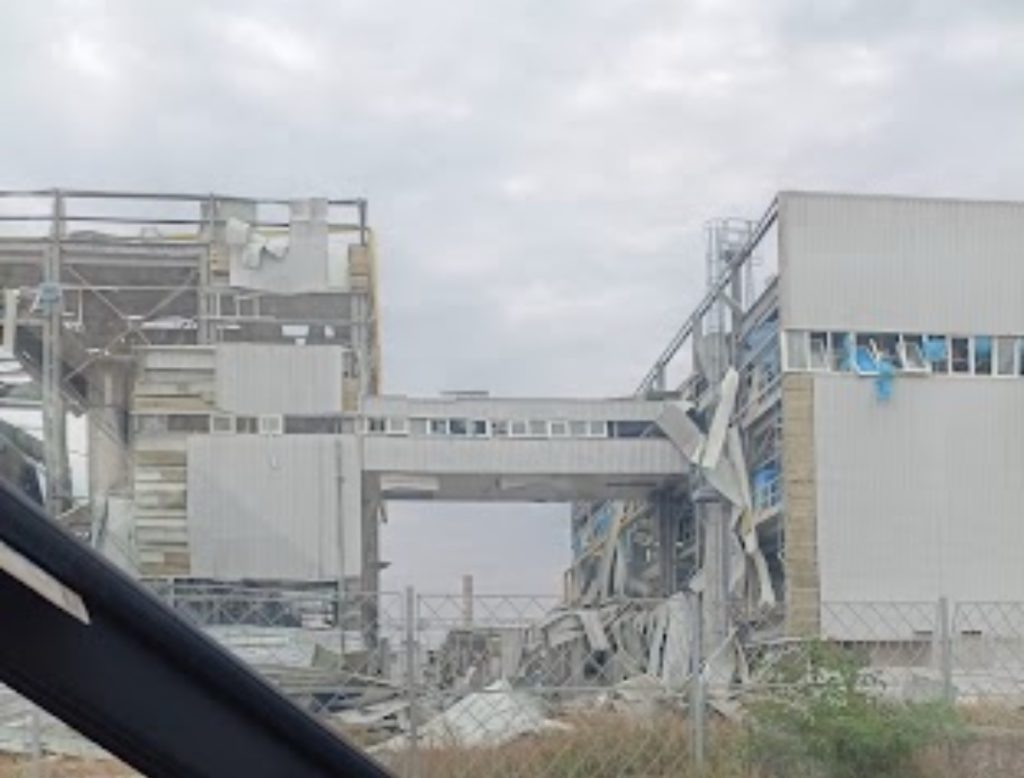
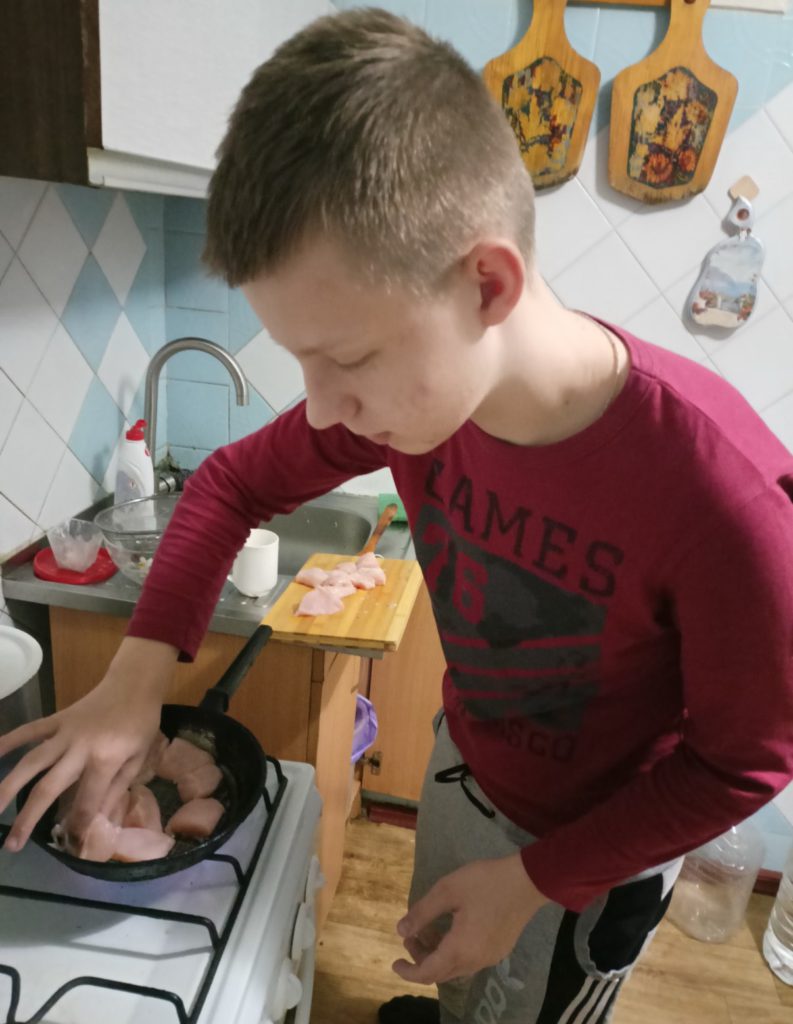
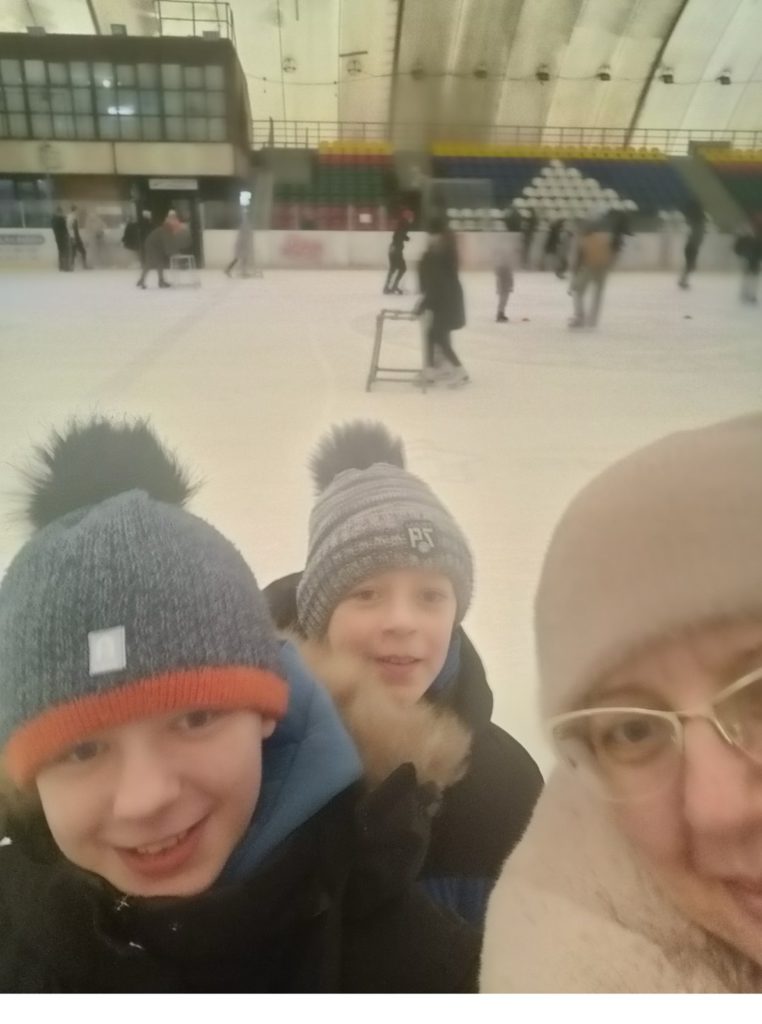
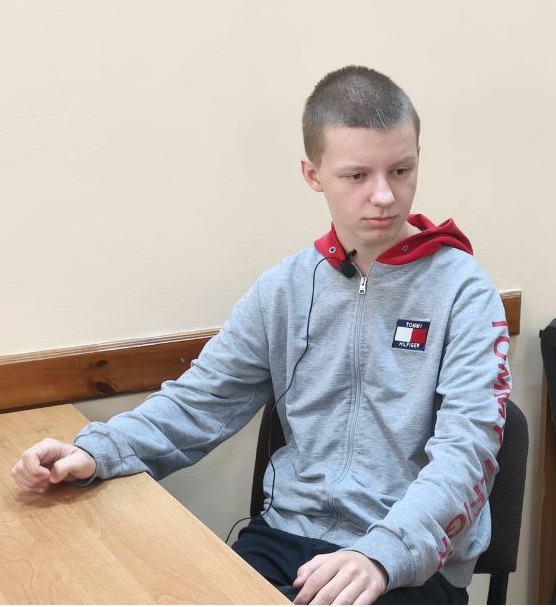
The survey was conducted by the NGO “Network of Civil Society Organizations Supporting Internally Displaced Persons in Ukraine” with the support of the Askold and Dir Foundation, administered by ISAR Ednannia, within the project “Strong Civil Society of Ukraine as a Driver of Reforms and Democracy,” funded by Norway and Sweden. The content of this publication is the sole responsibility of the NGO “Network of Civil Society Organizations Supporting Internally Displaced Persons in Ukraine” and does not necessarily reflect the views of the governments of Norway or Sweden, or of ISAR Ednannia.