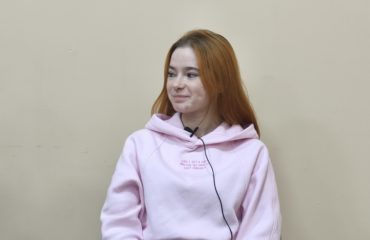
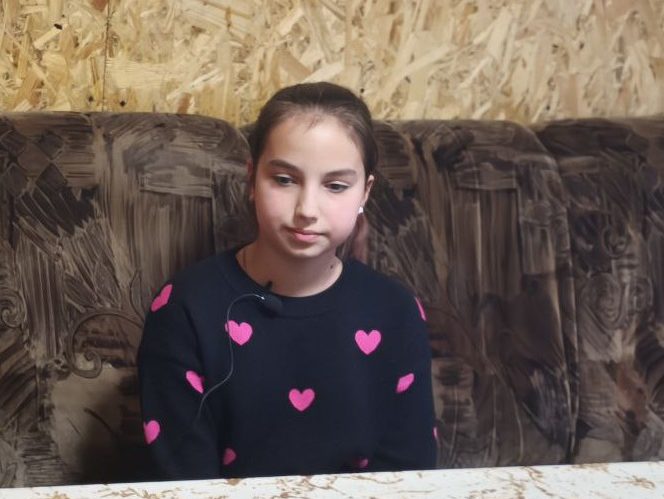
Violeta, 12 years old, from Donetsk region.
A girl whose childhood was divided into “before” and “after” the war. Her home, school, friends, and familiar life were left behind as hostilities forced her family to flee. The journey from Donetsk region to Khmelnytskyi region, and later to Vinnytsia, became a profound test — one that Violeta faces with strength, dignity, and maturity beyond her years. Despite loss and uncertainty, she continues to learn, dream, and shape her future. Her story is a testimony to the resilience of Ukrainian children and a powerful reminder to the world of the true cost of war.
🎥 Video Story
🟦 1. WHO IS VIOLETA
Violeta is a 12-year-old girl from the Donetsk region — quiet, thoughtful, and deeply sensitive.
She notices details others might miss and feels the world with her heart.
Her strength is calm, steady, and real.
💬 “You must not give up — you can always start a new life, even if your home is destroyed.” — Violeta
🟩 2. BEFORE THE WAR
Before the full-scale invasion, Violeta lived with her parents and older brother in the Donetsk region.
She loved dancing (hip-hop), reading, and playing with friends in the yard.
💬 “We used to play tag and football at home.”
She remembers the first day of the war clearly:
💬 “Mom said that the war had started and told us to sit away from the windows.”
🟥 3. LEAVING HOME
The family didn’t leave right away.
At first, they stayed with her grandmother, then moved to Khmelnytskyi region, and later to Vinnytsia.
💬 “We only took the essentials — clothes and documents. I didn’t have time to take my toys.”
Everyone was anxious but stayed together.
💬 “We were all sad, nervous, worried.”
💬 “We thought it would only be for a few months, and then we’d come back.” — mother
🟧 4. NEW HOME AND SCHOOL
In Vinnytsia, Violeta went to a new school for the first time.
💬 “I started here, and I’ve been in this school ever since.”
Her classmates welcomed her kindly.
💬 “They were supportive.”
Now she has four close friends — they mostly talk about school, lessons, and books.
💬 “I like studying. I get good grades.”
🟦 5. LEARNING AND GROWING
Violeta is responsible and organized.
She wakes up on her own, prepares for school, and manages her day independently.
💬 “It was harder before, but now she’s more confident and self-reliant.” — mother
Her favorite subjects are music, art, English, and math.
💬 “I’m catching up with history. I want to be better at English.”
She studies not just for grades — but because she wants to understand life and be ready for the future she’s building herself.
🟪 6. FAMILY AND SUPPORT
Violeta has a very close relationship with her mother.
They’ve gone through a lot together and have learned to support each other through everything.
💬 “We’ve been through a lot, but now we’re fine.” — mother
Her brother lives separately, but they stay in touch.
Her mother says Violeta has become calmer and more mature.
💬 “She’s learning how to handle her emotions.”
🟨 7. INNER STRENGTH AND SENSITIVITY
Violeta has a deep sense of balance and empathy.
Her mom says she “feels with her heart.”
When she’s sad, she doesn’t seek attention — she just takes time to be with her feelings.
💬 “I don’t do anything special. I just wait until it passes.” — Violeta
Her strength lies in silence.
She may not talk much, but when she speaks — her words carry meaning.
💬 “Peace is when nothing worries you and you can live normally.”
🟦 8. AFTER LOSING HER HOME
Violeta knows that her home in Donetsk region has been destroyed.
But for her, “home” is not a building — it’s where her family is.
💬 “Our house is gone. We’re building a new one here.”
She’s learning to accept change and move forward with quiet courage.
🟥 9. PSYCHOLOGICAL SUPPORT
After relocation, Violeta worked with psychologists who helped her express her feelings.
💬 “She can handle her emotions now, but we’re always there for her.” — mother
She’s learned to stay calm and often supports her classmates when they feel anxious.
🟨 10. DREAMS AND THE FUTURE
💬 “Right now, I don’t see the future. I don’t know what will happen tomorrow.” — Violeta said at the beginning of her interview.
But as you listen to her, you realize she still holds a quiet dream —
to live in a peaceful Ukraine, get an education, and help rebuild her country.
💬 “I want to take part in rebuilding Ukraine.”
She hopes to study English well, enter university, and have a profession that lets her help others.
🕊️ 11. VIOLETA’S MESSAGE TO THE WORLD
💬 “Peace is when nothing worries you and you can live normally.”
💬 “You must not give up — you can always start a new life, even if your home is destroyed.”
🟧 12. PHOTO GALLERY
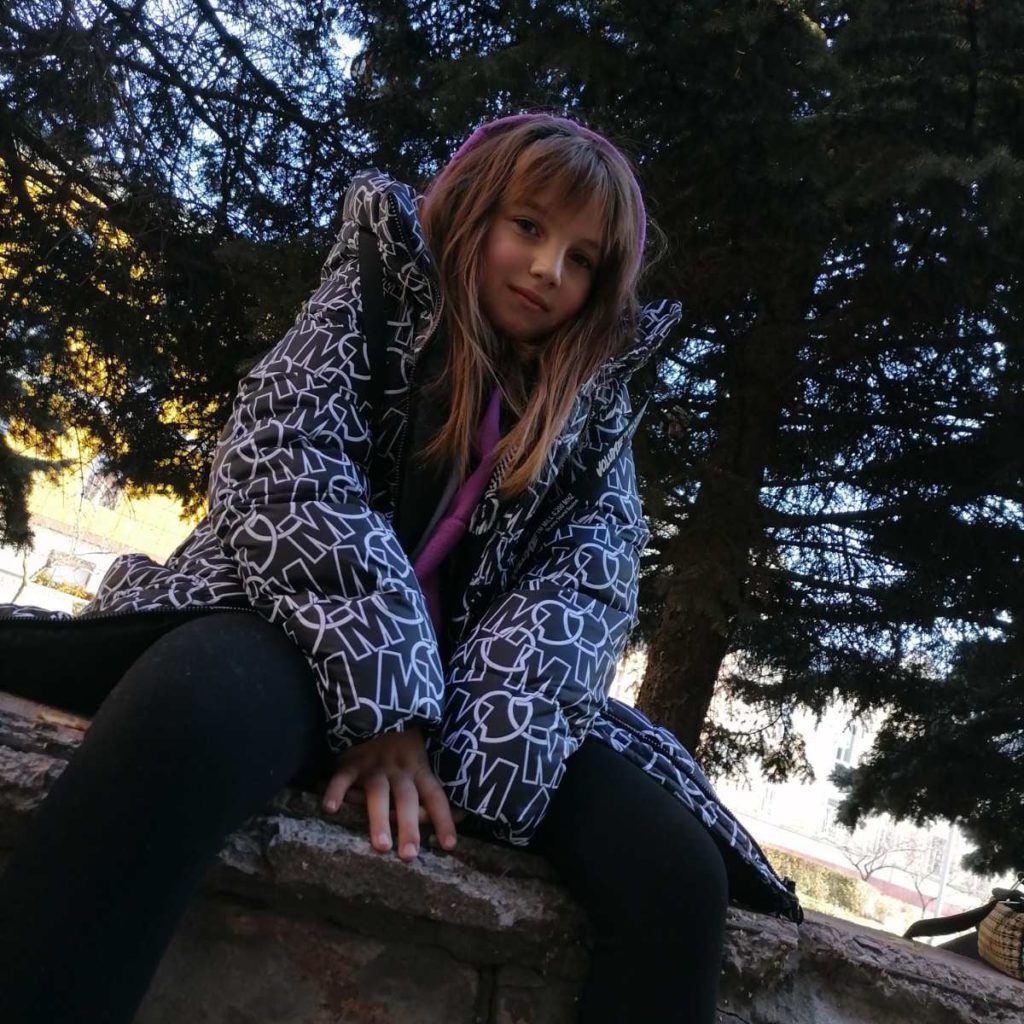
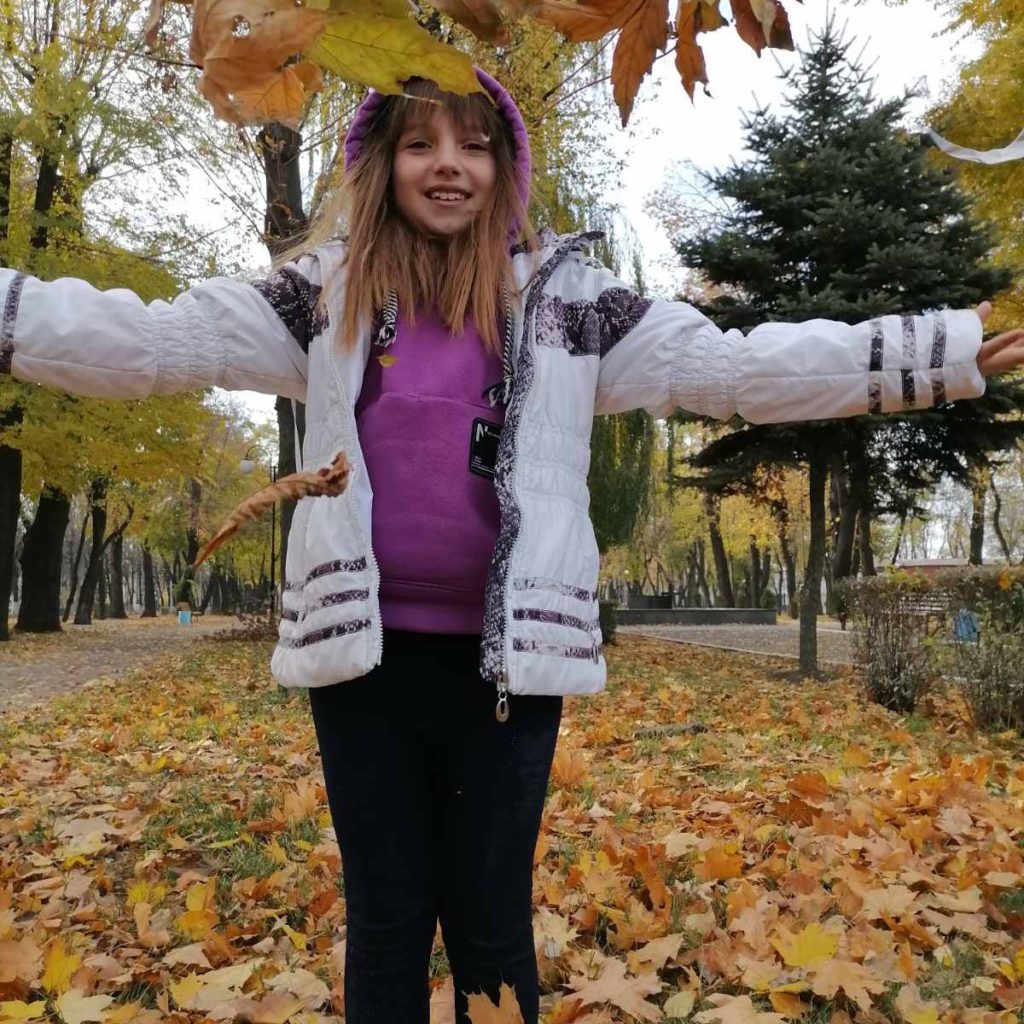
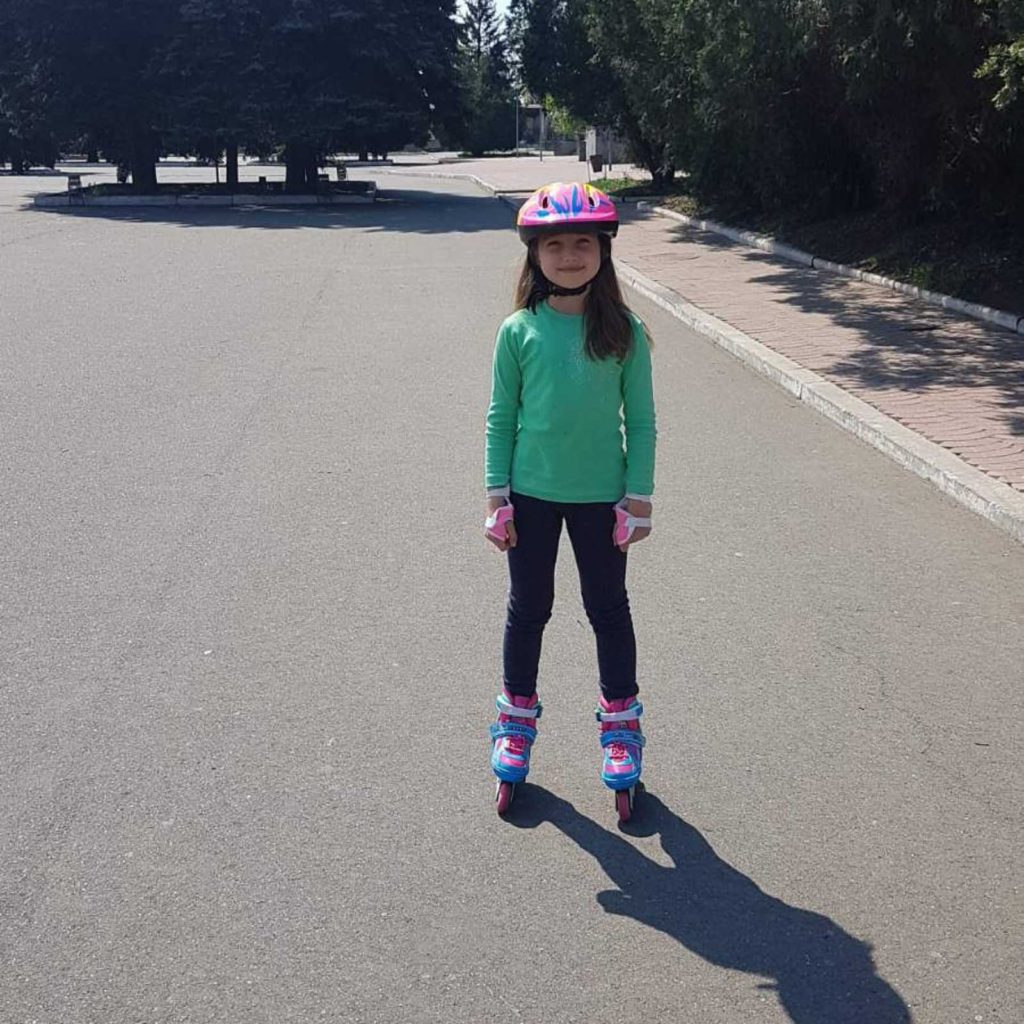
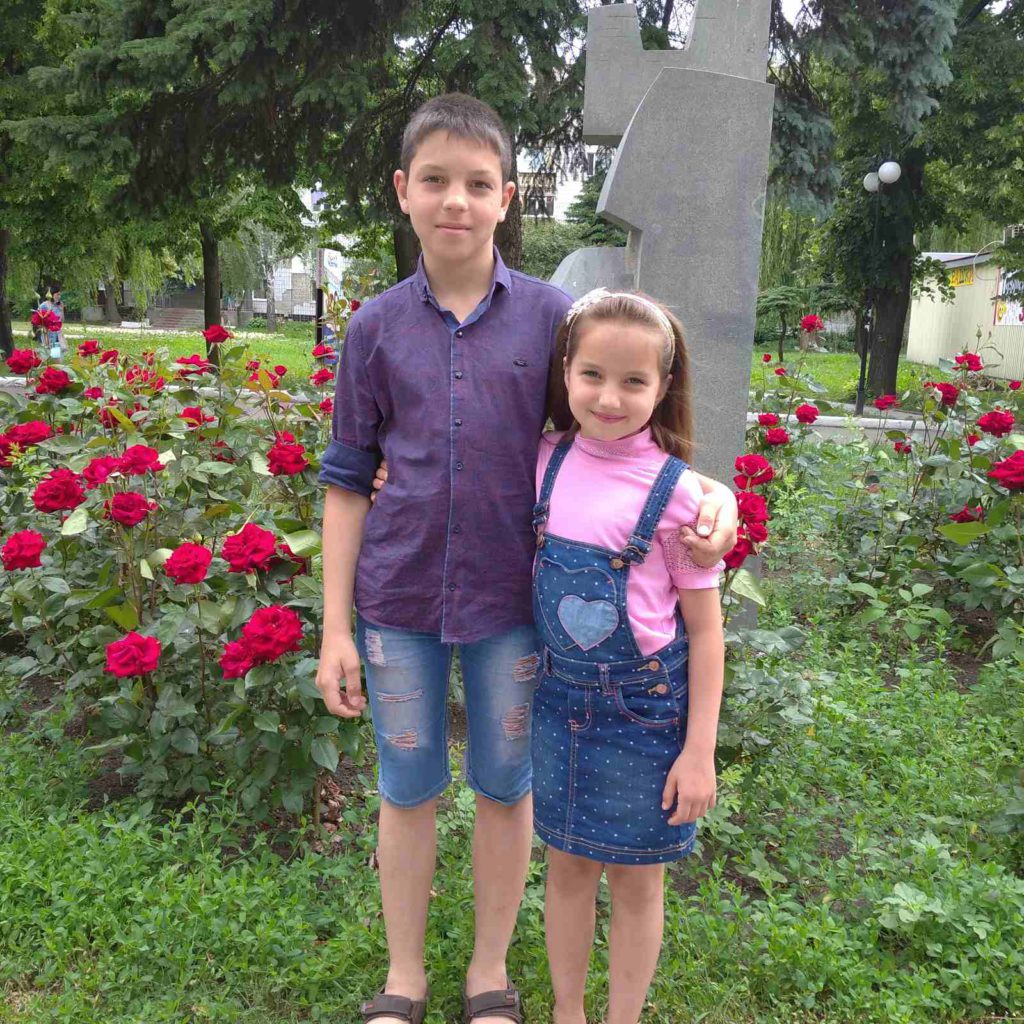
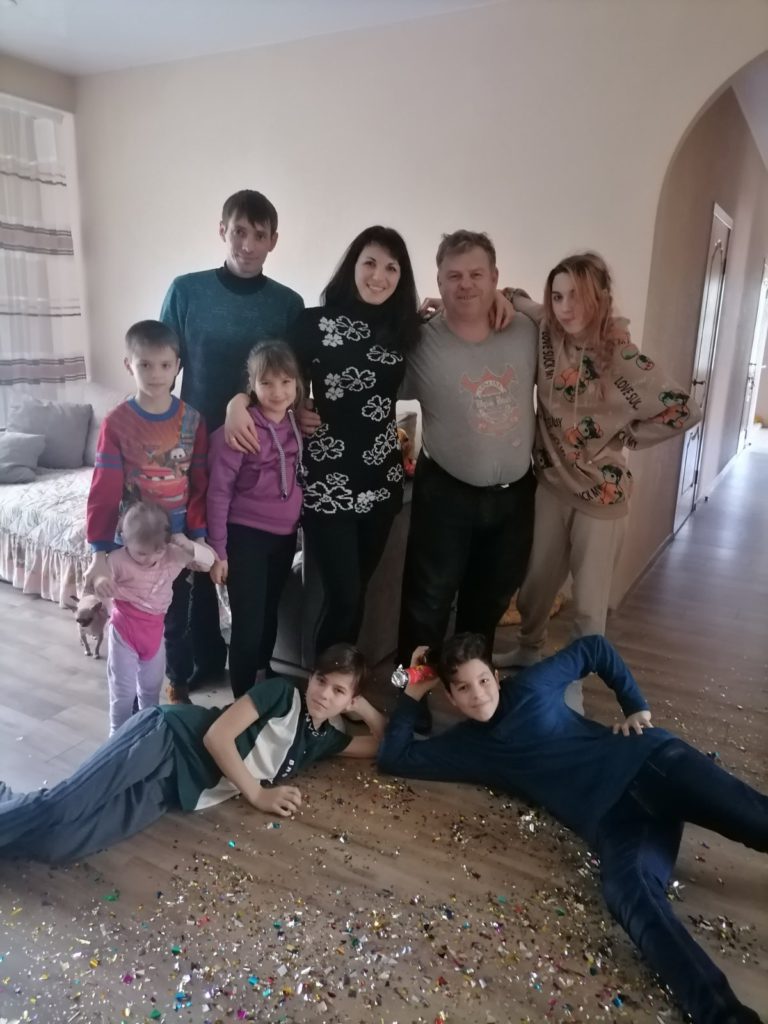
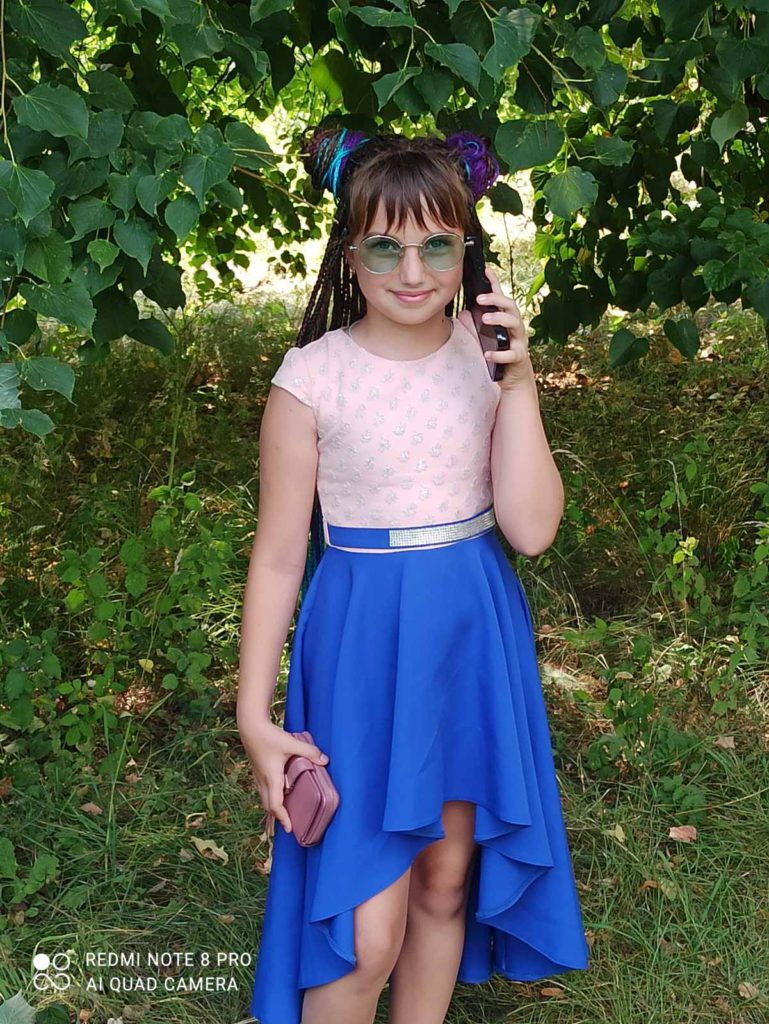
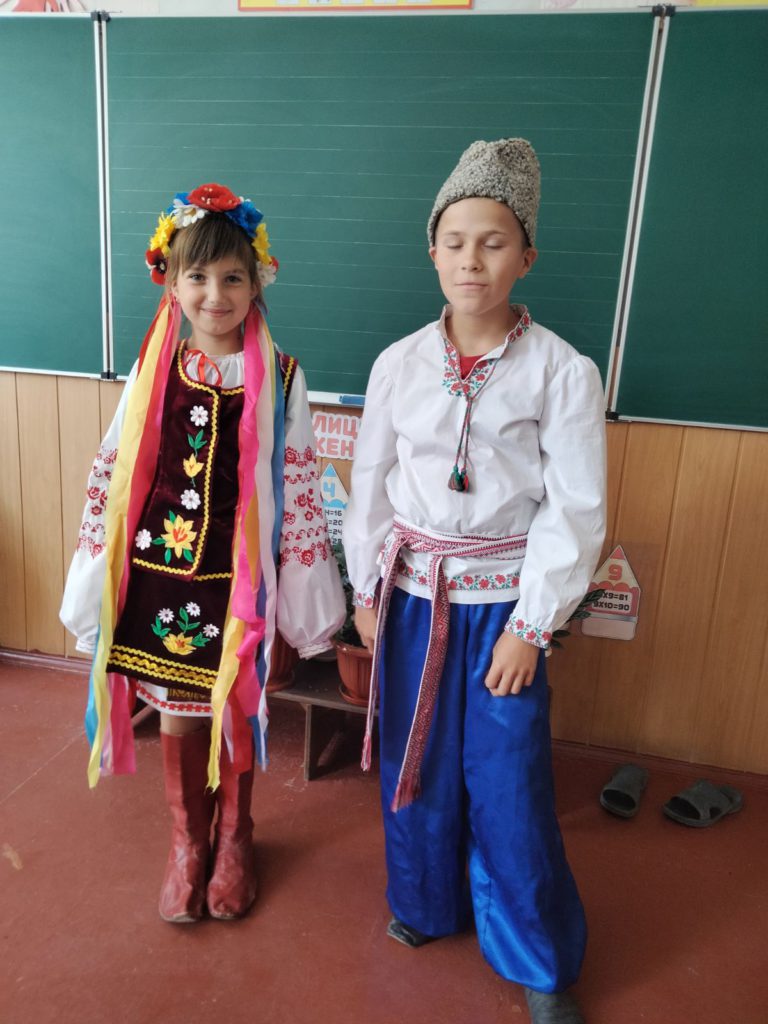
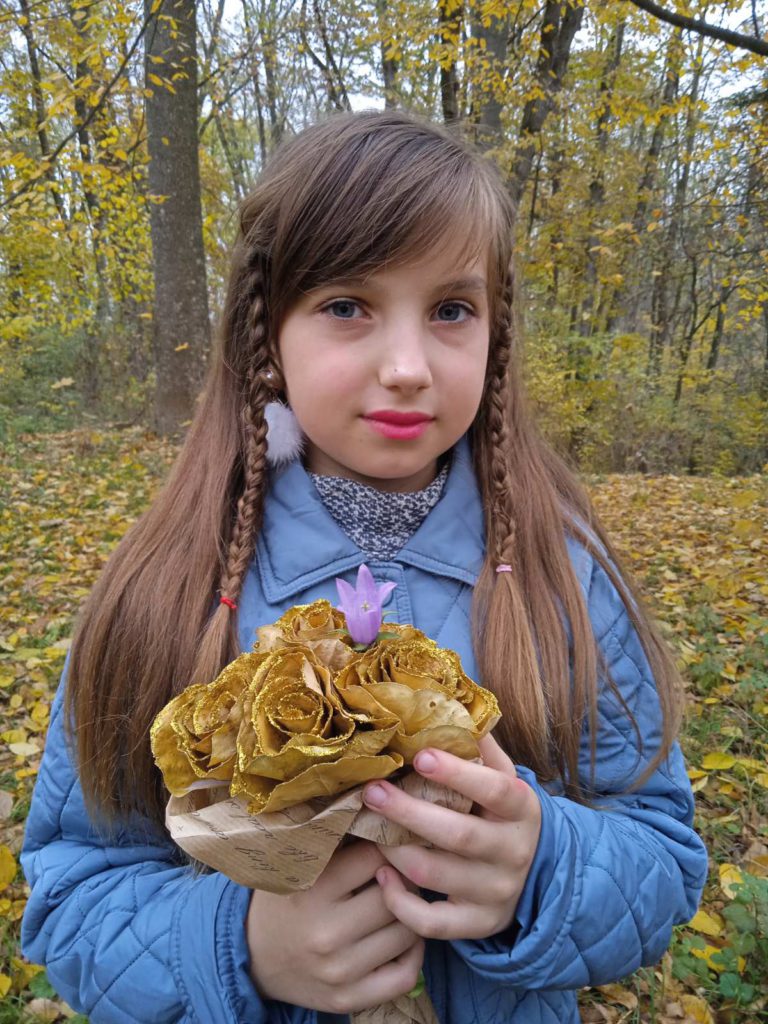
The survey was conducted by the NGO “Network of Civil Society Organizations Supporting Internally Displaced Persons in Ukraine” with the support of the Askold and Dir Foundation, administered by ISAR Ednannia, within the project “Strong Civil Society of Ukraine as a Driver of Reforms and Democracy,” funded by Norway and Sweden. The content of this publication is the sole responsibility of the NGO “Network of Civil Society Organizations Supporting Internally Displaced Persons in Ukraine” and does not necessarily reflect the views of the governments of Norway or Sweden, or of ISAR Ednannia.