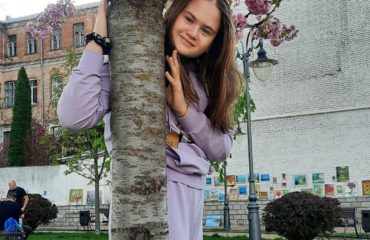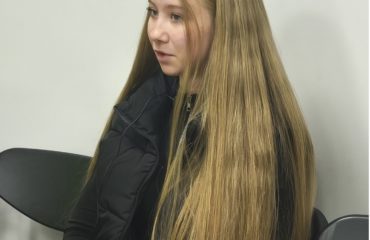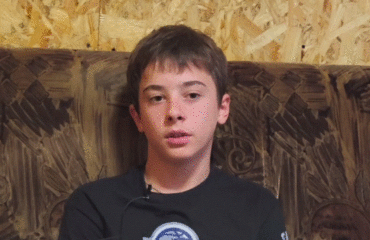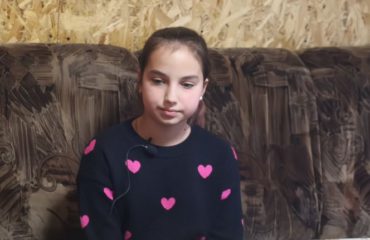
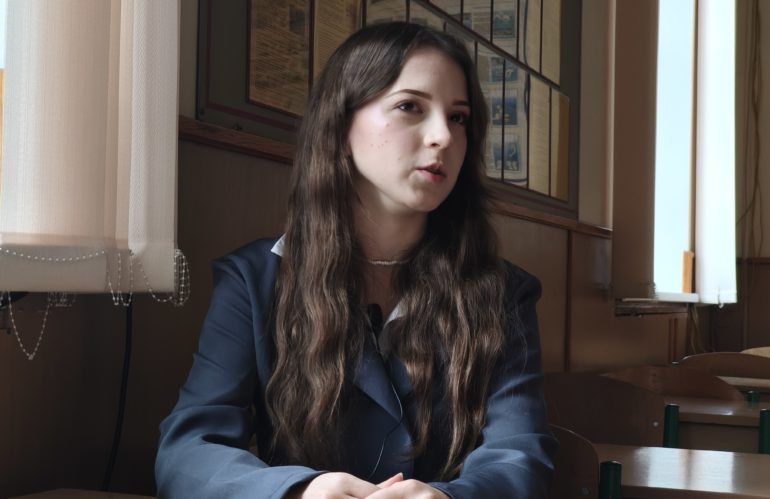
This is the story of a girl from frontline Marhanets who survived shelling, forced displacement, separation from home and loved ones — yet managed to preserve friendship, dreams, and the courage to speak openly about her city. In Vinnytsia, she is building a new life and studying journalism to tell the world the stories of people — and of her hometown.
🎥 Video Story
🟦 1. WHO IS ANASTASIIA
Anastasiia is a 17-year-old girl from the city of Marhanets, Dnipropetrovsk region. She currently lives in Vinnytsia, studies journalism, and dreams of professionally telling the stories of people and her hometown.
She is calm, deeply reflective, and speaks honestly about what she has experienced: shelling, displacement, separation from her home and friends.
💬 “My name is Nastia.”
💬 “I am 17 years old.”
💬 “I am from the city of Marhanets, Dnipropetrovsk region.”
🟩 2. BEFORE THE WAR: HOME, FAMILY, DANCE
Before the full-scale war, Nastia’s life was filled with school, choreography, and a close-knit family — parents, a younger sister, grandmother, and grandfather.
For nine years, she practiced folk dancing in the choreography ensemble “Bravo,” performing across Ukraine and in Bulgaria. It was her “home” hobby — a space where she grew up, made friends, and dreamed.
💬 “Yes, I attended folk dance classes in the ‘Bravo’ choreography ensemble for nine years. We traveled across Ukraine and to Bulgaria for performances. It was my native hobby.”
She was also surrounded by pets — several cats and dogs who were part of her pre-war world.
🟥 3. THE FIRST DAY OF THE FULL-SCALE WAR
Nastia remembers the beginning of the full-scale invasion in detail.
She was at her grandmother’s house, preparing for a school test. But the morning went completely off plan: an explosion, a power outage, and smoke from a strike on a substation in a neighboring village.
💬 “I was at my grandmother’s. I had a test at school, but my grandmother told me to go back to sleep. The war had started, and the electricity went out. Around 4 a.m., there was a strike on a substation in a nearby village. The smoke was very heavy. We started packing our things, but we didn’t leave.”
At that time, the family stayed in the city — suspended between fear and hope that everything would end soon.
🟧 4. “STAY OR LEAVE?” — A DIFFICULT DECISION
After the first strikes on infrastructure, the family lived in Marhanets for several more months. They didn’t know where to go and strongly hoped it would “end soon.”
They considered Poland — her father had worked abroad for a long time before the war — and it seemed like a logical option. But eventually, they decided to stay in Ukraine.
💬 “We didn’t know where to go. At first, we planned to go to Poland, then we changed our minds. There was hope that everything would end quickly, but it didn’t.”
💬 “Yes, because my father had worked there for a long time, and it would have been a place we could move to. But we stayed in Ukraine.”
The decision was made by her mother. For Nastia, it was important — she wanted to stay closer to her family: parents, grandparents, and friends.
💬 “My mom made the decision. I wanted to stay because my family, friends, grandmother, and grandfather are here.”
🟦 5. FAMILY AND PETS THEY HAD TO LEAVE BEHIND
At the time of the full-scale invasion, the family included her mother, father, younger sister, grandmother, and grandfather.
💬 “My mom, dad, my younger sister, and also my grandmother and grandfather.”
When leaving became inevitable, another painful issue arose — their pets.
At home, Nastia had three cats and two dogs. In Marhanets, they had to leave four more cats. Her grandparents take care of them, but the farewell was extremely difficult for her.
💬 “Yes, at home I had three cats and two dogs. In Marhanets, we left four more cats. My grandparents take care of them. I cried a lot when we left them because there was nowhere to take them with us.”
🟪 6. EVACUATION TO VINNYTSIA
When it became clear that staying was dangerous, the family was given two days to pack. The shelling was so intense that it was difficult to sleep even at night.
Despite this, the moment of departure was quiet and sunny — a sharp contrast to the overall picture of war.
💬 “Yes, about two days. We were given time, and we packed quickly. The shelling was very strong; we couldn’t sleep even at night. But we were lucky that the moment of departure was quiet and sunny.”
They traveled together — with her parents, sister, and also her classmate and his family.
💬 “Yes, with my mom, dad, and sister, and also a classmate with his family moved with us.”
They were invited to Vinnytsia by her father’s acquaintance, who accommodated them free of charge.
💬 “Yes, my dad had a work acquaintance who suggested we come and stay for free. People were very kind, and we moved to Vinnytsia.”
Her grandparents stayed in Marhanets. Most of her extended family still lives there.
💬 “Yes, they stayed there. All my relatives are currently in Marhanets.”
🟦 7. ONLINE LEARNING WITH HER HOME CLASS
At the beginning of the full-scale war, Nastia was in the seventh grade. There were pauses in education, but later they caught up very quickly.
After moving to Vinnytsia, she continued studying online at her home school — with the same classmates and teachers.
💬 “From the New Year, I started studying online at my school with my classmates and teachers. When the war started, I was in the seventh grade. After that, there were breaks, and we caught up with the program very quickly.”
The reason was a strong emotional attachment to her school and homeroom teacher, as well as hope of returning.
💬 “My school is very dear to me, and my homeroom teacher is wonderful. My classmate and I decided to stay with our class because we hoped to return to Marhanets and continue studying together. I completed grades 8, 9, 10, and 11 with my class.”
The class was large — about 30 students — and very friendly.
💬 “About 30 students. The class was large and very friendly.”
Online learning helped preserve almost everyone.
💬 “Yes, many stayed online, including our entire 11th grade.”
🟨 8. FRIENDS WHO MOVED AWAY AND NEW CONNECTIONS
Despite being scattered across different countries, Nastia managed to maintain close relationships with friends from Marhanets.
Her best friend moved to Germany at the beginning of the full-scale war. They haven’t seen each other for three years but communicate every day.
💬 “Yes, I communicate with my best friend. We haven’t seen each other for three years. He moved to Germany when the war started. We talk every day and call each other.”
Another classmate is currently studying in Vinnytsia at NTU.
💬 “I also communicate with a classmate who is currently studying in Vinnytsia at NTU.”
🟪 9. JOURNALISM AND A NEW STUDENT LIFE
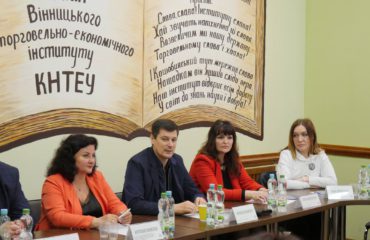
After finishing school, Nastia enrolled at the Vinnytsia Institute of Trade and Economics, majoring in Journalism.
💬 “I enrolled at the Vinnytsia Institute of Trade and Economics, majoring in journalism.”
There are 26 girls in her group and no boys. Nastia says the group is very friendly — she found many friends and became the deputy group leader.
💬 “I have a wonderful group — 26 girls, no boys. We are very friendly; teachers note this. I found many friends and even became the deputy group leader. I get along very well with the group leader; we have a great team.”
Her classmates are curious about her story and are surprised that she moved from far away, from Dnipropetrovsk region.
💬 “Yes, they asked: ‘You moved so far? From Dnipropetrovsk region?’ Everyone was surprised.”
She feels strong support at her university, especially when sharing the story of her city.
💬 “When I talked about Marhanets, everyone cried. Teachers supported me and talked to me. It was enormous support, and I am very grateful for it.”
🟦 10. DORMITORY LIFE AND FINANCIAL CHALLENGES
During her studies, Nastia lives in a dormitory.
💬 “In a dormitory.”
She openly speaks about the difficulties young people face when living independently for the first time.
💬 “Yes, there are difficulties for young people who have just moved away from their parents. Mostly money, food, paying for electricity. It’s hard.”
Nastia receives state support as an internally displaced person.
💬 “Yes, I received financial assistance as an IDP: 9,000 UAH for three months, and another 2,000 UAH will arrive in December.”
🟨 11. HOME, LONGING, AND GETTING USED TO DANGER
Nastia speaks about her hometown with tenderness and pain.
💬 “Of course, I miss it. It’s very hard to leave your home, streets, neighbors. I often replay moments from home in my head, especially when something happens or when I’m sick. Then I remember how my mom helped me.”
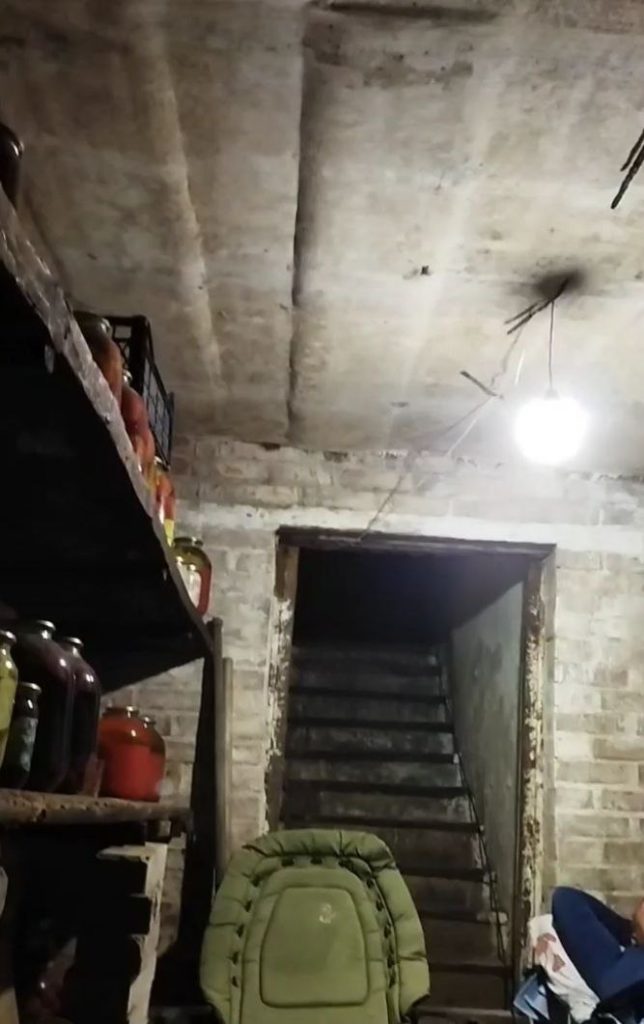
In Marhanets, they often slept in a basement. After moving, Nastia barely reacts to air raid alerts — she has become morally accustomed to them. That scares her the most.
💬 “Yes, in Marhanets we often slept in the basement. Now I don’t react to air raid alerts because I’ve gotten used to it mentally. The scariest thing is that you get used to it.”
Despite the danger, she is still drawn back home.
💬 “Not yet, but her birthday is coming soon, and we will all return to Marhanets during the holidays and meet. We promised to visit her.”
🟦 12. LOSS, INNER STRENGTH, AND DREAMS OF THE FUTURE
Nastia knows what loss is. Among her acquaintances and teachers were soldiers who were killed.
💬 “Yes, among acquaintances and teachers there were soldiers. Some died, for example, my physical education teacher and my uncle.”
💬 “It’s hard. But they are all heroes for all of Ukraine.”
The war changed her deeply.
💬 “Before the war, I didn’t appreciate what I had. The war taught me to value everything and to tell loved ones that you love them now, because the moment can disappear.”
Among her achievements after moving, she names stress resilience and self-confidence.
💬 “I became very stress-resistant and confident. Before, I could cry for no reason, but now I can openly talk about my problems and experiences.”
🕊️ 13. DREAMS, PEACE, AND ANASTASIIA’S VOICE FOR THE WORLD
Today, Nastia’s biggest dream is for her family and friends to gather again around one table, laugh, hug, and simply be safe.
💬 “Now my dream is for my whole family and friends to be together at one big table, to laugh and hug.”
She wants to become a professional journalist to help rebuild her city with words.
💬 “I want to study and become a professional journalist so that after the war I can work fully, raise awareness, and rebuild my city with my words.”
She dreams of working for the TV channel 1+1.
💬 “I dream of working at the TV channel 1+1. I just leave this dream to exist.”
For Nastia, peace is not only the absence of shelling.
💬 “Peace is when all loved ones are nearby. It’s hugs, kisses, smiling mom and dad, soldiers who returned home. It’s the feeling: ‘I am home.’”
She follows news from Marhanets and envisions herself helping with its recovery.
💬 “I see myself in the recovery process. Interviewing residents, sharing their stories. I want help to reach my city so it can be rebuilt as soon as possible.”
To those who remain in Marhanets and are afraid to leave, Nastia speaks directly:
💬 “People, think about it! It’s very scary there: no water, no electricity, constant shelling. Small children need a childhood. Don’t stay there — save yourselves.”
Her wish for the world after the war:
💬 “I want us to be seen as a strong country, respected and valued. To be understood as resilient, brave, united, with wonderful people and delicious food. I want the world to know us not only through war, but through our strength and resilience.”
And her final message:
💬 “Stick together, support each other. This is very important now, and then victory will be closer.”
🟧 14. PHOTO GALLERY
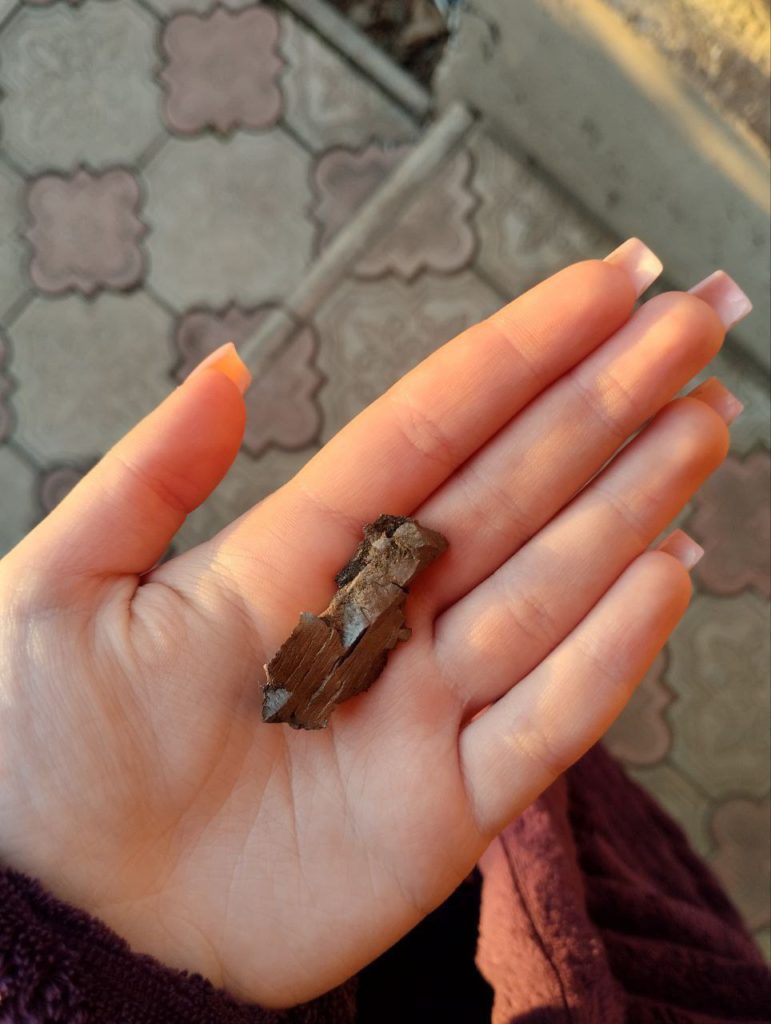
This is her childhood under fire.
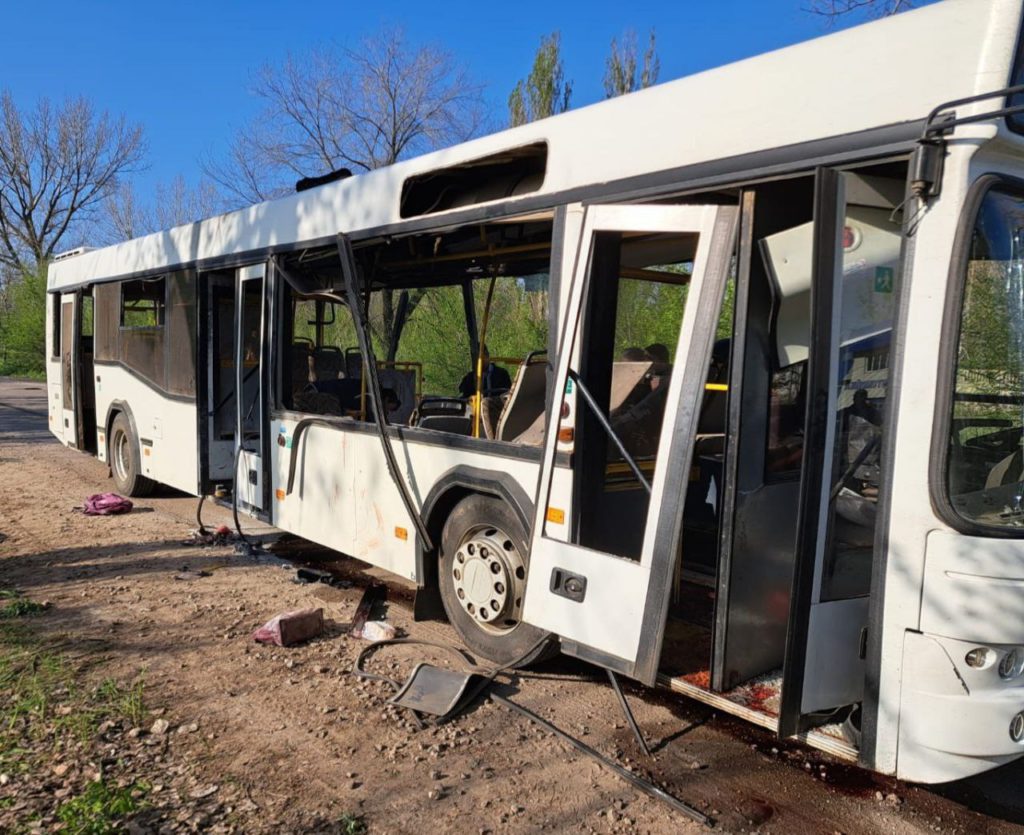
This is also part of the war Anastasiya has witnessed.
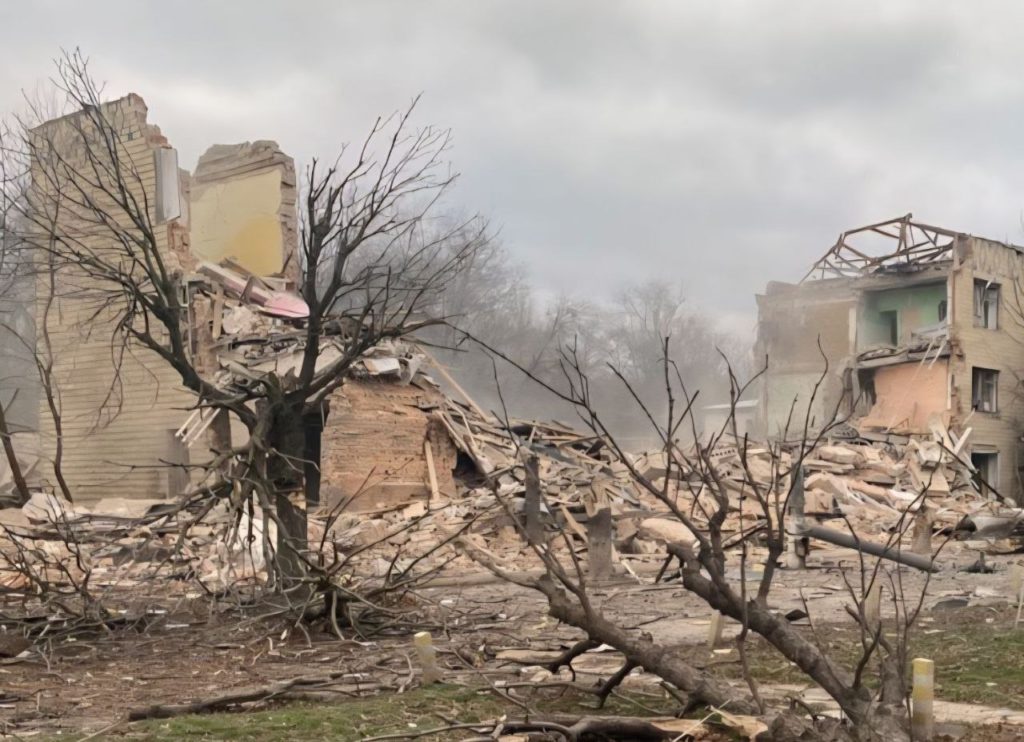
Childhood should smell like safety, not smoke. But war destroyed her home.
Now it’s just bricks and grief.
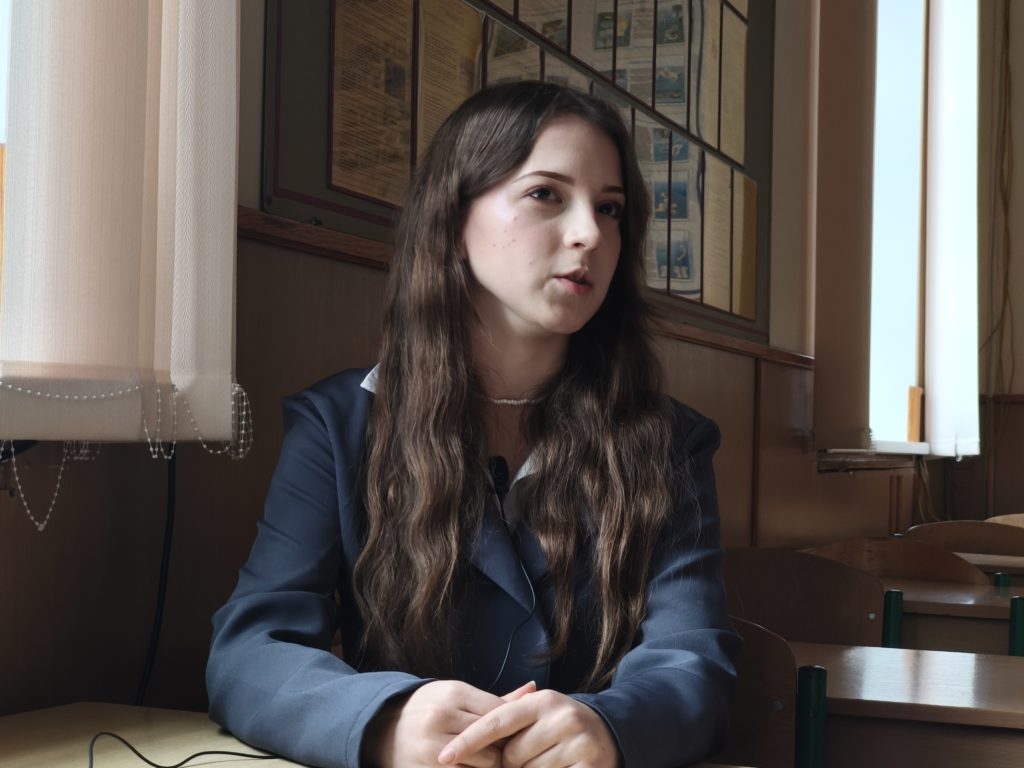
Her voice is that of a child who remembers everything.
The survey was conducted by the NGO “Network of Civil Society Organizations Supporting Internally Displaced Persons in Ukraine” with the support of the Askold and Dir Foundation, administered by ISAR Ednannia, within the project “Strong Civil Society of Ukraine as a Driver of Reforms and Democracy,” funded by Norway and Sweden. The content of this publication is the sole responsibility of the NGO “Network of Civil Society Organizations Supporting Internally Displaced Persons in Ukraine” and does not necessarily reflect the views of the governments of Norway or Sweden, or of ISAR Ednannia.