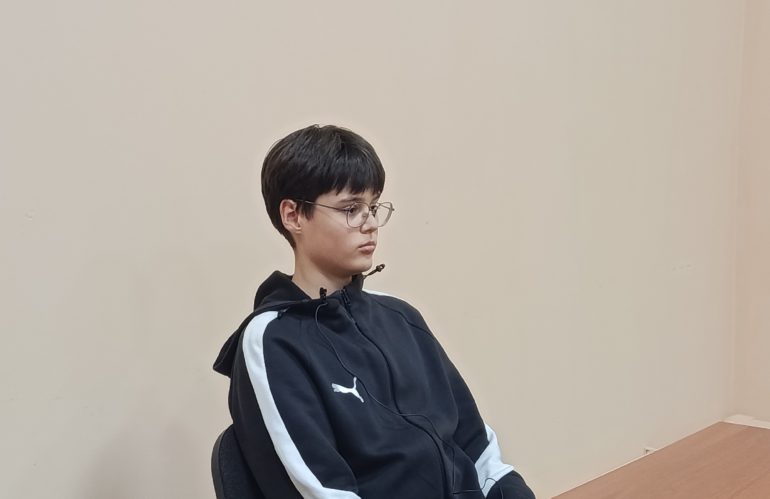
This is the story of a teenager whose home became a shelter for others. Myroslav grew up in Vinnytsia, far from the frontlines, but close to the heart of the war — beside a mother who, from the first days of the full-scale invasion, became a vocal advocate for the rights of internally displaced people. Her voice resonated in forums and the media, while her actions shaped the lives of hundreds who fled the violence. For Myroslav, this was not just the background of his childhood — it became his path. He came of age surrounded by volunteer hubs, aid packages for the front, bomb shelters, and people who had lost everything yet found support next to his family. Myroslav learned to be there for others: for those in pain, in fear, in search of a new home. His story is one of empathy, maturity, and a generation learning to serve — even before stepping out of childhood.
🎥 Video story
🟦 1. WHO IS MYROSLAV
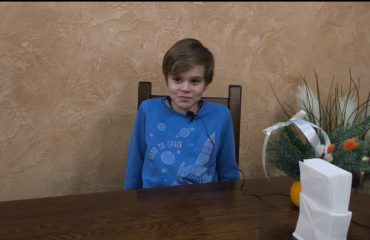
Myroslav is a 14-year-old teenager from Vinnytsia. He is calm, attentive to details, and used to doing more than talking. He enjoys swimming: currently he attends a recreational group and dreams of joining a sports group if the coach accepts him.
He is the son of a civic activist and educator at a Vinnytsia educational institution who, from the first days of the full-scale war, founded a civil society organization supporting internally displaced persons in Ukraine. While his mother cooked meals, collected warm clothes for the military and displaced people, and organized aid and meetings, Myroslav grew up much faster than a boy of 11–14 normally would.
Myroslav speaks little, but behind each of his short answers there are years of life alongside war, volunteering, and people who lost their homes.
💬 “My name is Myroslav, I am 14 years old, and I am from Vinnytsia. I like swimming. For now, I only go to a recreational group, but maybe, if the coach accepts me, I will also join a sports group.”
🟩 2. CHILDHOOD BEFORE THE FULL-SCALE WAR
Before the start of the full-scale war, Myroslav’s life was similar to that of many city teenagers. School, friends, the neighborhood, walks between lessons and extracurricular activities. He says that back then he was younger and had more free time to simply spend time with friends, without thinking about shelters, long queues in shops, or who still needed help that day.
💬 “What I remember most is how much free time I spent with friends. I was younger then, and I had more time to spend it with them.”
🟥 3. THE FIRST DAY OF THE WAR
Myroslav remembers the first day of the full-scale invasion very clearly. In the morning, he and his mother went to a store — there were huge lines stretching far beyond the building. People were silent, listening to the news; some were talking on the phone, others nervously scrolling through their feeds.
That same night, the first air raid alert sounded in Vinnytsia. For an 11-year-old boy, this was the moment when the word “war” stopped being something distant from the news.
💬 “I remember the first day very clearly. We woke up in the morning and went to a store. There were very large lines, literally stretching beyond the store. We stayed there until the middle of the day. Then that night there was the first air raid alert in Vinnytsia. I was very scared, but then we went to the shelter and everything was basically okay. After that, it wasn’t as scary.”
🟧 4. AIR RAID ALERTS AND THE FAMILY’S REACTION
The first time was the scariest: new sounds, the siren, a dark stairwell, the shelter. Later, fear gradually turned into a tense routine. Myroslav says he tried not to panic, and his mother’s behavior was crucial — she clearly understood what to do and acted responsibly during danger.
💬 “Yes, the first time was scary, and then it wasn’t so much. I think I calmed myself down because I didn’t panic too much. My mom took everything very seriously. She immediately understood what needed to be done and where to go, and we did everything right away. She behaved very responsibly.”
🟦 5. HELPING PEOPLE NEARBY
About one or two weeks after the start of the full-scale war, the family began actively helping others. At first, it was elderly neighbors who found it difficult to stand in long queues, carry bags, and buy basic necessities.
Later, they began helping internally displaced people who came to Vinnytsia. Myroslav’s mother cooked food, collected warm clothes, medicine, and essential items. Over time, this help grew into a community and later into a civil society organization.
💬 “About a week or two after the war started, we helped elderly women from our building because it was hard for them to buy things. Then we started helping internally displaced people who came to Vinnytsia.”
💬 “My mom helps in the rear. At the beginning of the war, she also traveled to Kyiv for work. I worried because of the shelling, but everything went fine.”
🟪 6. VOLUNTEERING FOR THE MILITARY
The family actively joined volunteer efforts to support the military. His mother and her team packed food, collected warm clothing, prepared aid packages, and delivered them to checkpoints and military units. Later, they began sending tents to the front — the first spring of the war was cold and rainy.
Ideas also emerged to find fabric, seamstresses, and sew equipment for defenders. This became a coordinated network of people, materials, and needs.
💬 “At the beginning, my mom packed food for the military and made snacks. I helped carry things, bring what was needed, go to the seamstress, pick up body armor, and carry tents.”
🟦 7. A SHELTER NEAR HOME
About a month after the start of the full-scale war, the family and other residents began searching for a shelter near their building. They found an old shelter that had not been used for about 30 years. It was cold, damp, dark, and cluttered.
Residents of four apartment buildings worked together to clean and equip the shelter so that hundreds of people could wait out air raid alerts.
💬 “About a month after the war started, we were looking for a shelter near our building. We found an old one that hadn’t been used for about 30 years. We organized a group of people and started cleaning it. We removed old furniture, put down pallets so it wouldn’t be cold, and took out the trash. I was very happy to help.”
💬 “The hardest part was that my mom spent more time helping, and we spent less time walking together. But it gave a feeling that we were useful.”
🟨 8. SCHOOL AND FRIENDS
At the beginning of the full-scale war, Myroslav was in the fifth grade. Only his teacher and one close friend knew about his volunteer experience.
💬 “At that time, I was in the fifth grade. My teacher and one friend knew about it; the others did not.”
💬 “The fear became smaller because I grew up and understand the situation better. If there is an alert at night, I just want it to end quickly so I can sleep. And if it happens at school, I want everything to be okay for everyone.”
🟪 9. DID YOU THINK ABOUT LEAVING
The family did not plan to leave Vinnytsia at the beginning of the full-scale war. The city was far from active hostilities, and later there was responsibility toward the people they were helping.
💬 “At the beginning of the war, we didn’t want to leave because Vinnytsia was far from military actions. Now we also don’t want to change anything for now.”
🟨 10. MOM, FRIENDS, AND A DOG AS SUPPORT
The most important role model for Myroslav is his mom.
💬 “My mom. She is very responsible and works very hard, often at night.”
Friends, school, and a beloved dog are also his support.
💬 “My friends, my beloved dog, and school also help me.”
🟦 11. DREAMS AND PLANS FOR THE FUTURE
Myroslav wants to study well, find a profession he likes, and have a job that pays well.
💬 “For myself, I want to study well and find a good job that I like and that pays well.”
🕊️ 12. MYROSLAV’S VOICE FOR THE WORLD
Myroslav dreams of the end of the war and the recovery of Ukraine.
💬 “I wish for the war to end and for Ukraine to recover and catch up with European countries. If I had unlimited resources, I would help the country morally and financially.”
🟧 13. PHOTO GALLERY
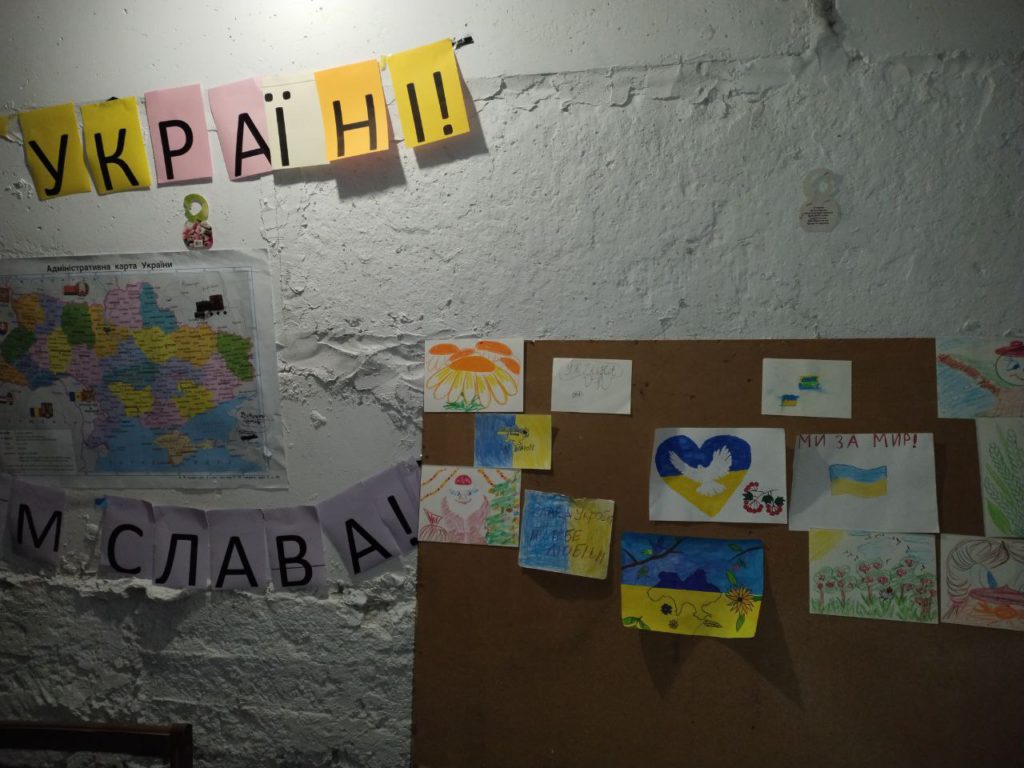
Children’s drawings, a map of Ukraine, and the slogan “Glory to Ukraine!” — voices of kids who endured fear but never lost love for their country.
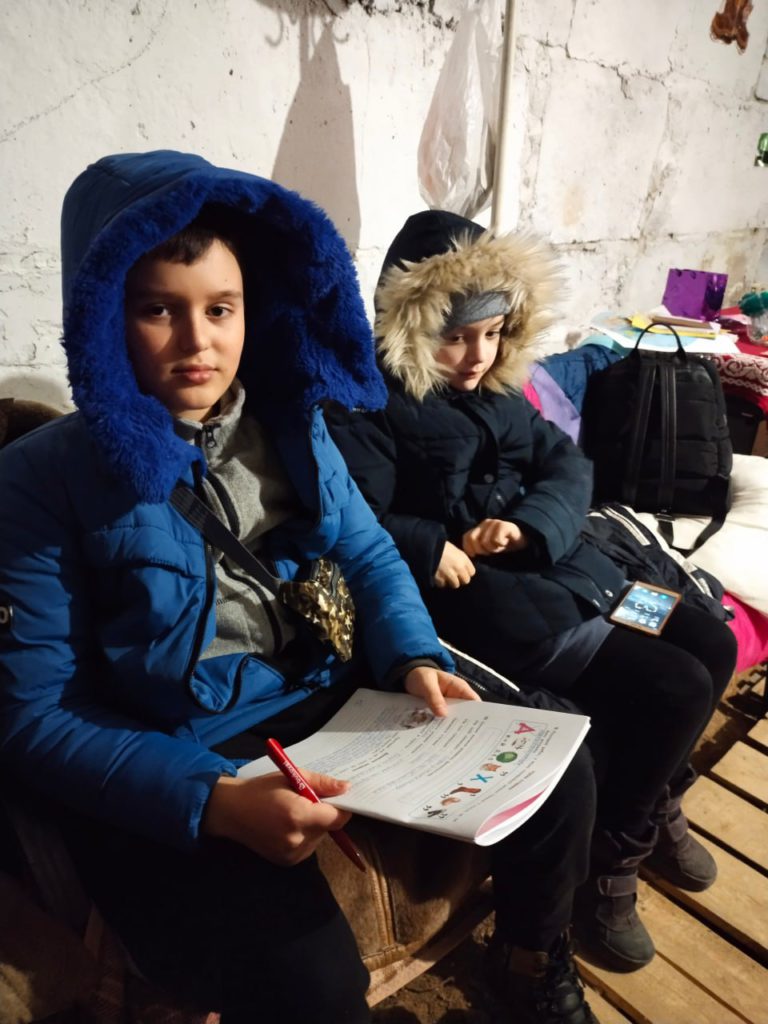
Underground, in the cold, under shelling — childhood continues with books, homework, and hope for the future.
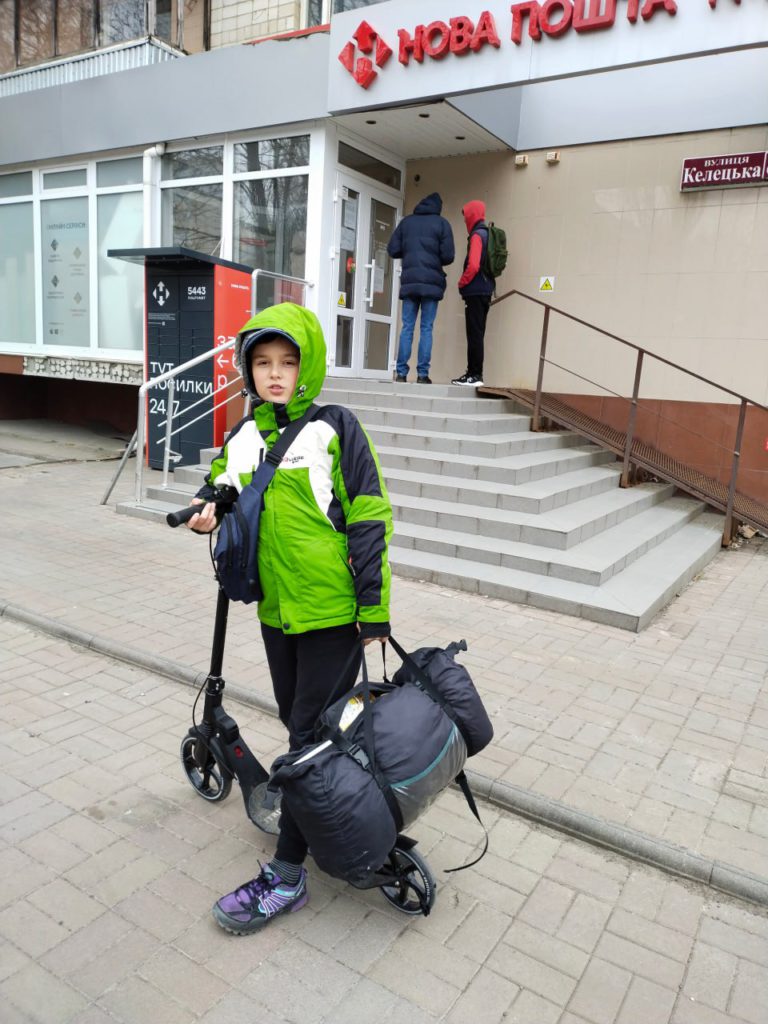
He uses a scooter — because it’s faster. Children of war don’t wait — they act.
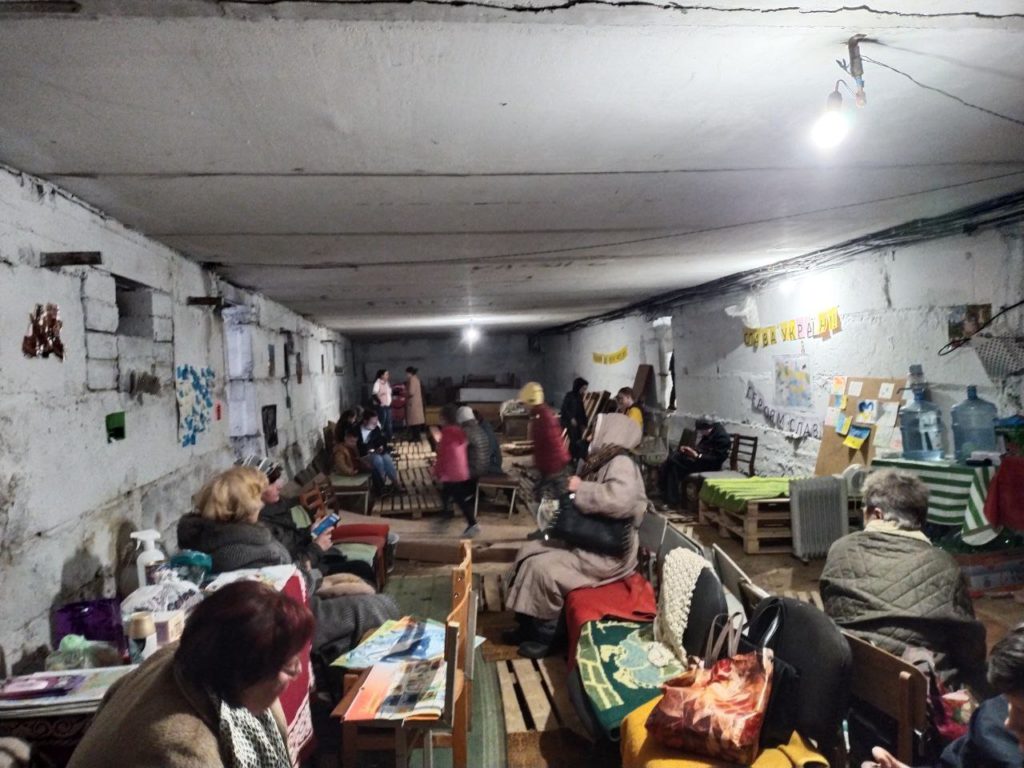
This is where people study, talk, volunteer. Myroslav grew up among these people — and with them.

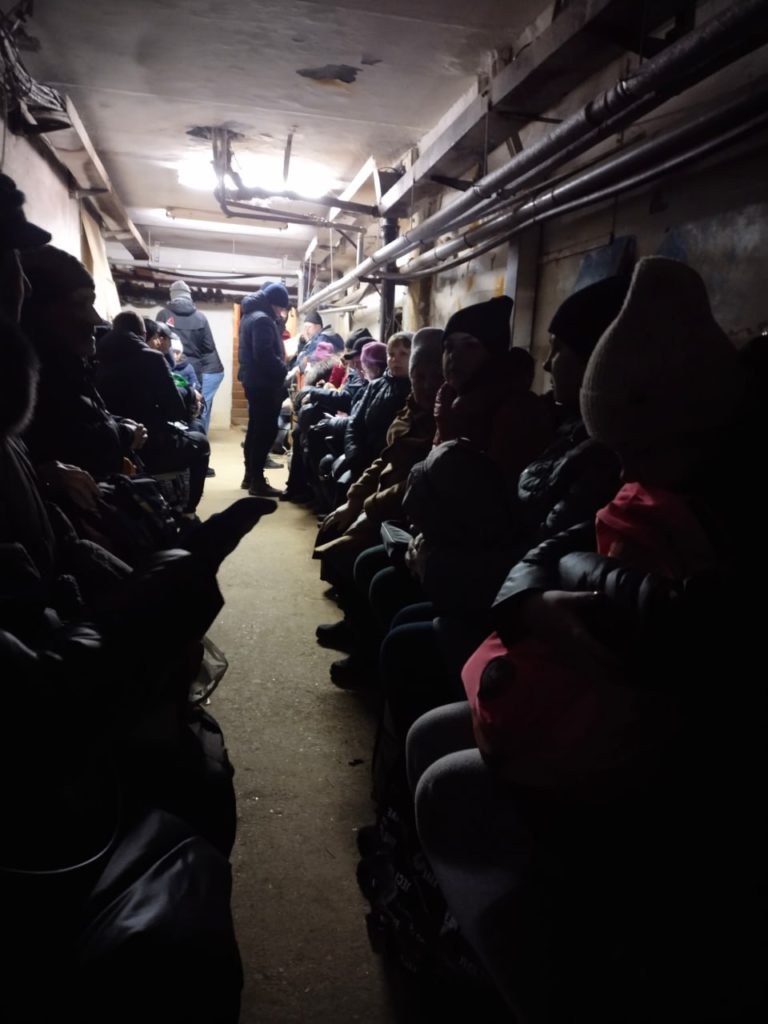
Myroslav knows what it means to sit in the dark with strangers who feel like family in shared fear.
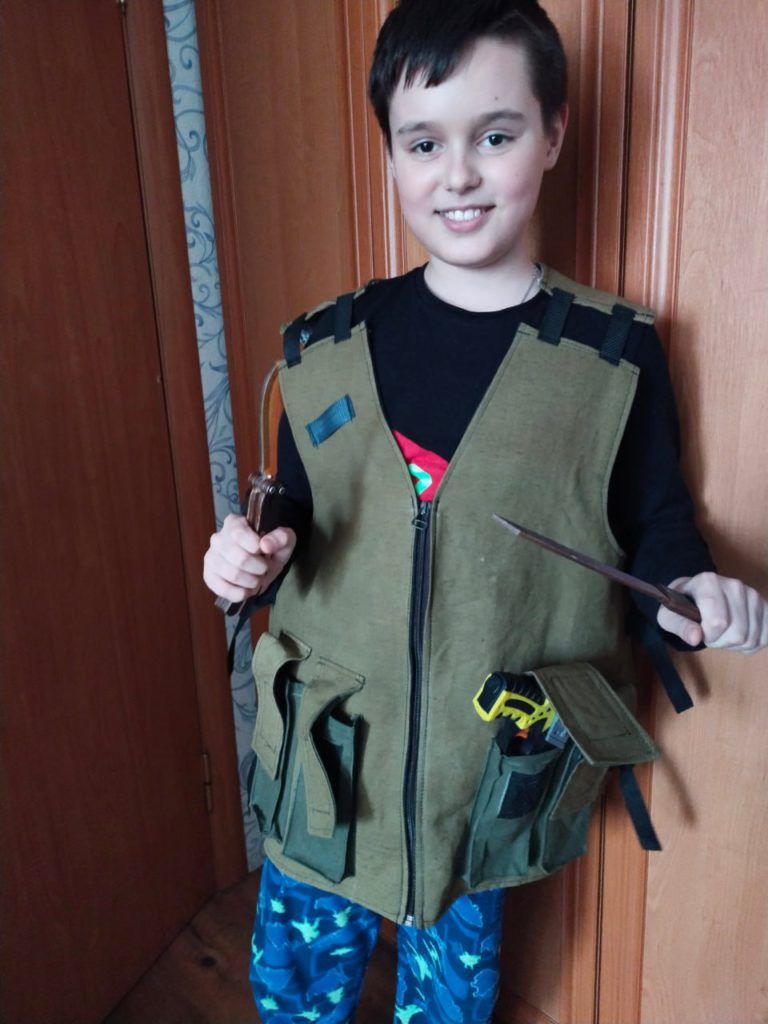
At the start of the war, there was no gear — but there was unity. People measured, cut, and sewed for those who might go defend tomorrow. Myroslav stood beside adults — as always.
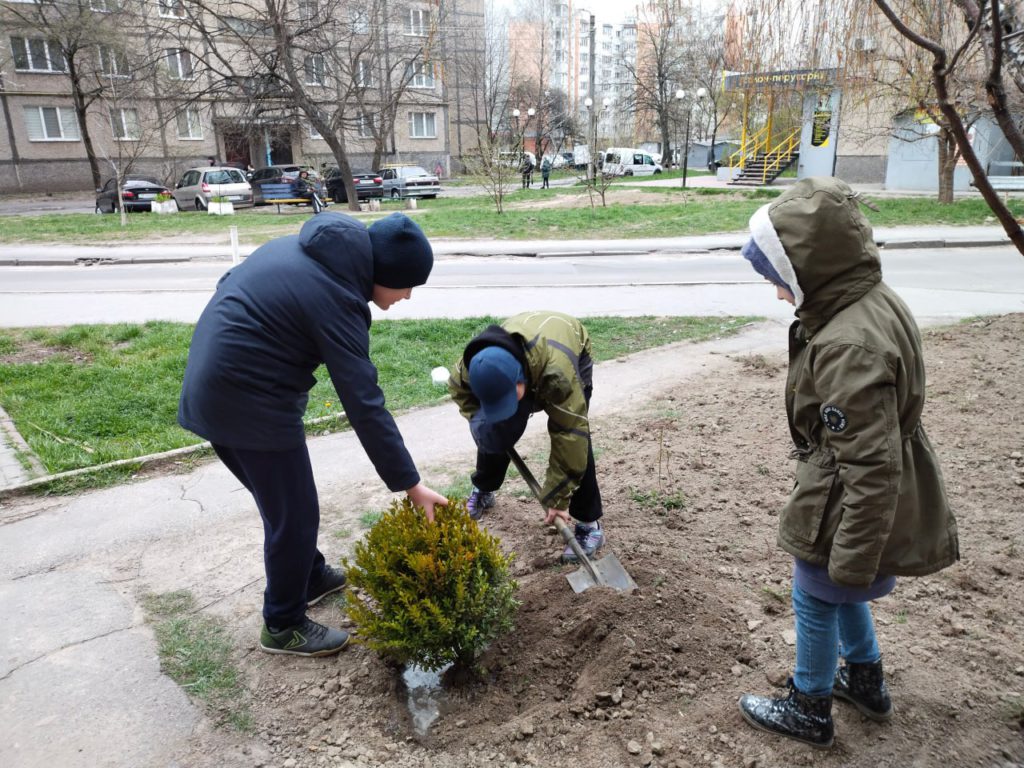
They planted with faith that peace would come in the spring, and the defenders would return home. The children weren’t just helping — they were building a future they truly believed in.
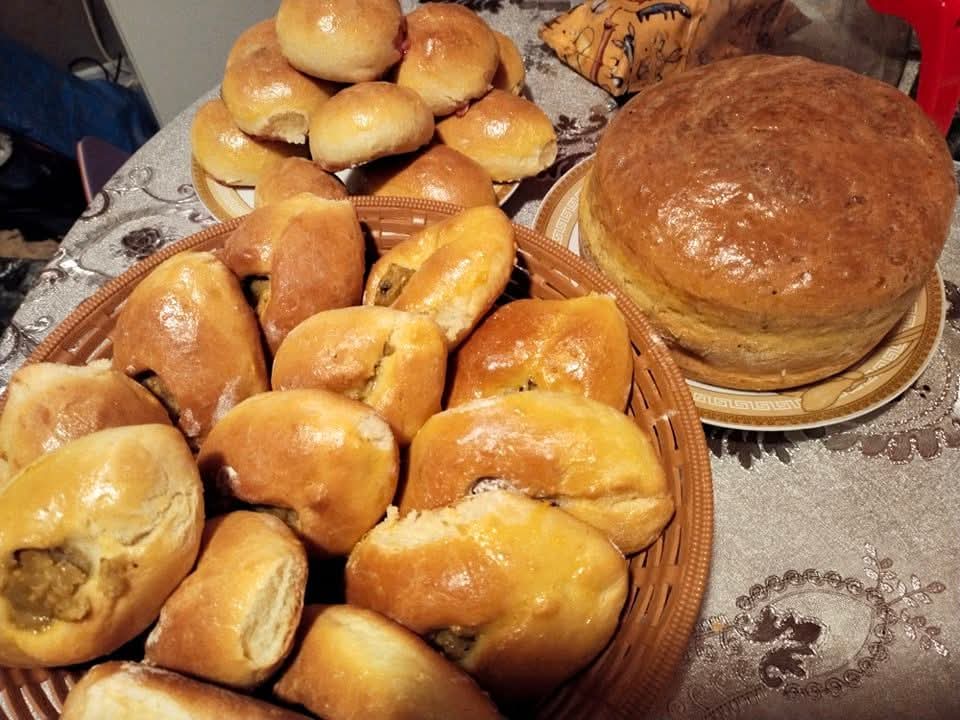
In those days, Myroslav’s family cooked, baked, packed, and delivered meals to the military. Pea-and-garlic-filled pies became a symbol of warmth that can be shared even across the front line.
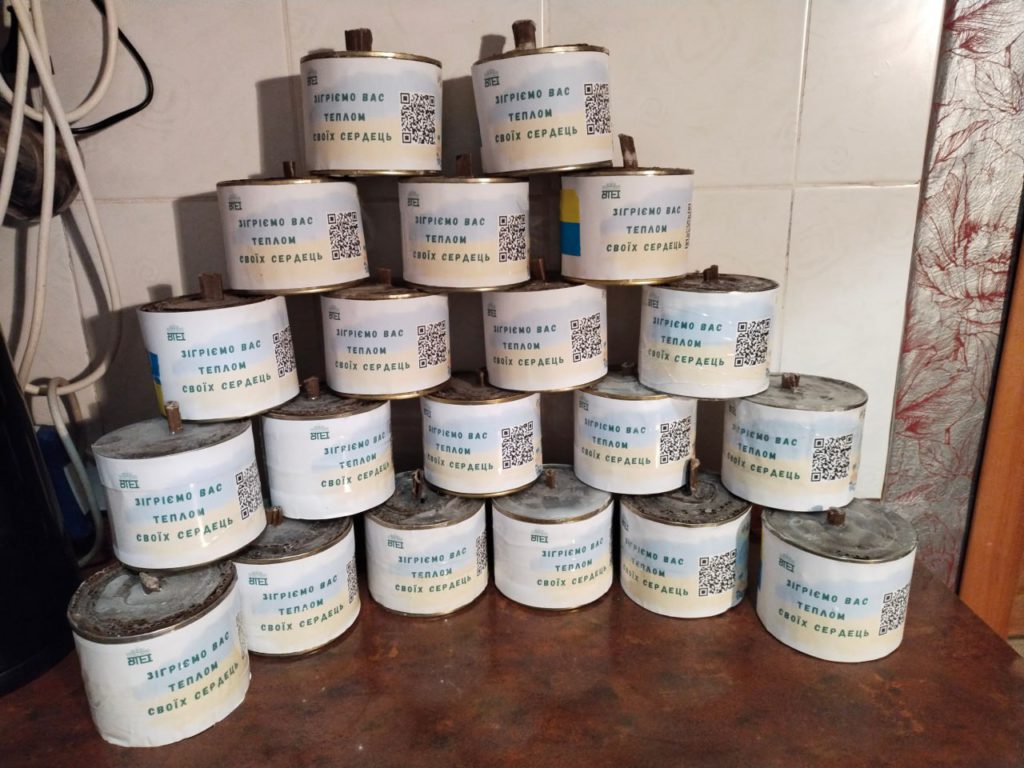
In the first freezing winter of 2022, Myroslav’s family made hundreds, each labeled with: “We warm you with the heat of our hearts.” Inside — wax, fabric, and gratitude.
Each candle had a QR code that linked to a video with thank-you messages and well-wishes for the soldiers.

Doves of peace, blue and yellow ornaments, and a photo bauble with smiles from “before the war.” The family created new meanings — even in fear, hope lived in every branch.
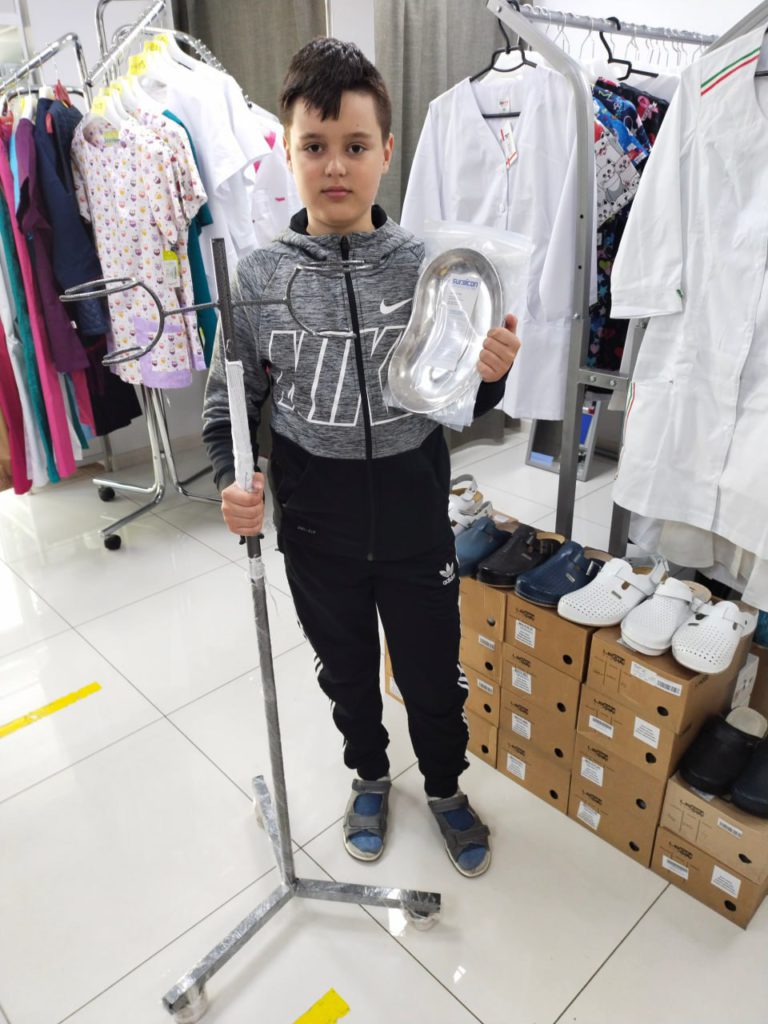
that treated the first wounded in the early days of the full-scale invasion. All thanks to support from friends and colleagues abroad.
At that moment, children weren’t learning to play — they were learning to save lives.
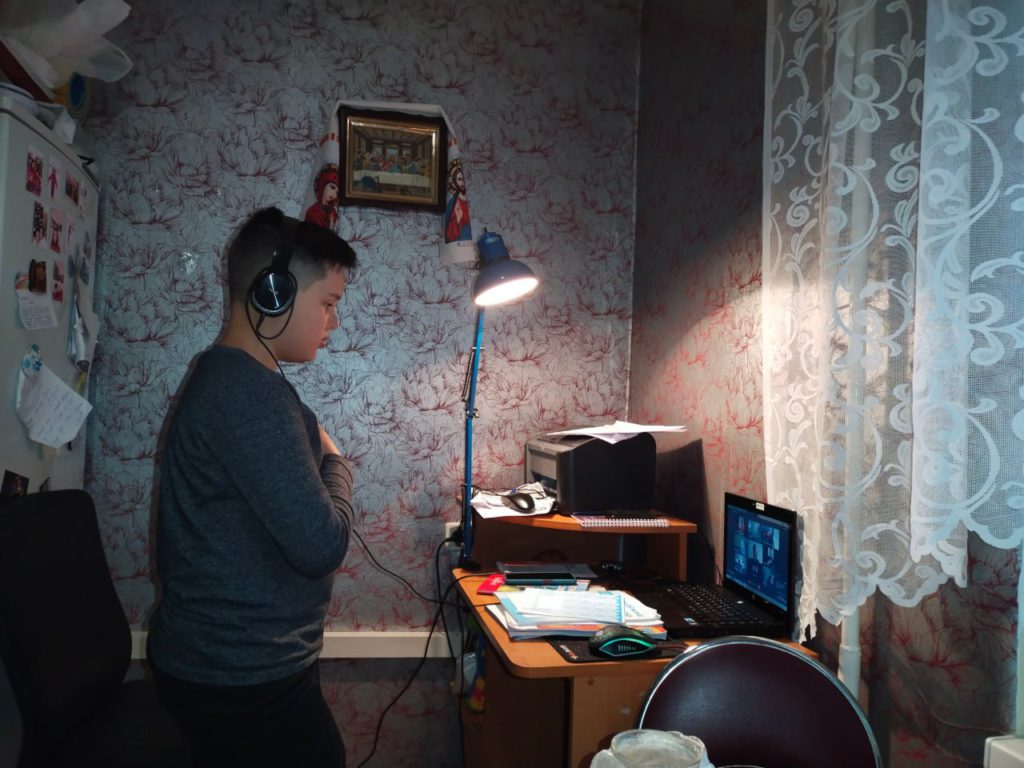
Myroslav stands as the Ukrainian national anthem plays — every morning, again and again. It wasn’t just online school — it was an act of resilience and national dignity.
The survey was conducted by the NGO “Network of Civil Society Organizations Supporting Internally Displaced Persons in Ukraine” with the support of the Askold and Dir Foundation, administered by ISAR Ednannia, within the project “Strong Civil Society of Ukraine as a Driver of Reforms and Democracy,” funded by Norway and Sweden. The content of this publication is the sole responsibility of the NGO “Network of Civil Society Organizations Supporting Internally Displaced Persons in Ukraine” and does not necessarily reflect the views of the governments of Norway or Sweden, or of ISAR Ednannia.