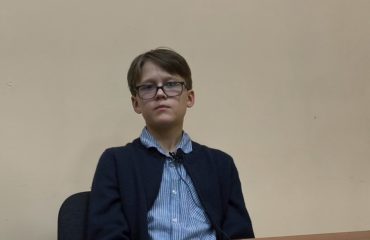
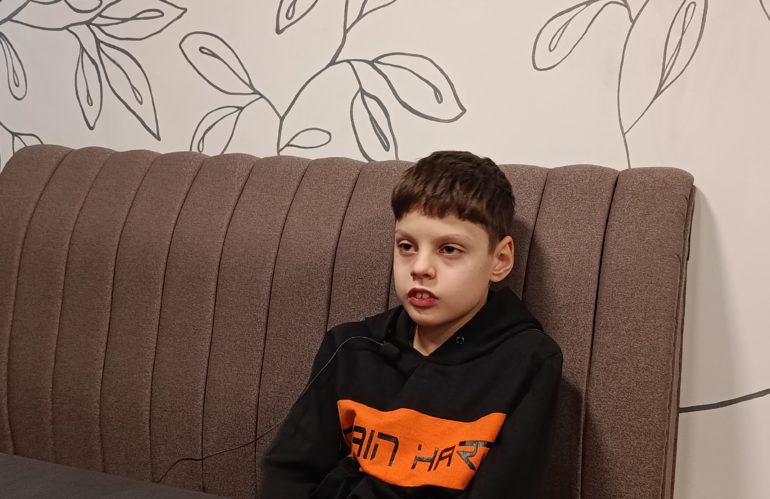
This is the story of a ten-year-old boy from Kherson who faced the full-scale war at the age of six. He remembers dark basements, an anxious journey east, changes in everyday life, and a new beginning in Vinnytsia. Despite everything he has been through, Zakhar is an ordinary schoolboy who values friendship, simple joys, and dreams of a peaceful childhood. His view of the war is quiet, sincere, and childlike — and for that very reason, especially profound.
🎥 Відеоісторія
🟦 1. WHO IS ZAKHAR
Zakhar is ten years old. He came to Vinnytsia from Kherson together with his family. When the full-scale invasion began, he was only six — an age when children do not yet understand the words “war,” “occupation,” or “danger,” but can very clearly feel the fear of adults.
💬 “My name is Zakhar. I am ten years old. I came from Kherson.”
Today, he studies at a school in Vinnytsia, has friends, and tries to live an ordinary childhood life. But the war has left a permanent mark on his memories.
🟥 2. THE BEGINNING OF THE WAR THROUGH THE EYES OF A SIX-YEAR-OLD
Zakhar remembers the morning that turned his family’s life upside down only in fragments. It was a weekend. Adults woke him up — without explanations, without time for questions. They simply told him to get up and pack.
💬 “I don’t remember very well. It was a weekend. They woke me up and said, ‘Get up, we need to pack.’ I didn’t understand anything.”
At six years old, he did not yet realize what was happening. Only later did they explain to him that the war had begun — a word that at that time had no clear meaning for him, but quickly filled with fear.
💬 “Later they told me that the war had started.”
🟧 3. BASEMENT, DAMPNESS, AND FEAR
Zakhar spent the first weeks of the war not at home. The family moved to his grandmother and grandfather’s place because there was a basement there. That space became their temporary shelter.
For a child, it was a place that was dark, damp, and uncomfortable — but a place they had to go down to again and again.
💬 “It was unpleasant to hide. We sat in the basement, it was quite damp there.”
He remembers hiding in a garage that had been adapted as a shelter. And he remembers the constant feeling of discomfort — not physical pain, but anxiety that is hard to put into words.
💬 “We were at my grandmother and grandfather’s place. They had a garage, and we hid there.”
🟨 4. WHEN THERE IS NOT EVEN ENOUGH FOOD
The war quickly entered everyday life. Zakhar recalls that sometimes there was not enough food. Adults had to drive around, search, negotiate — and the child simply felt the shortage and the tension.
💬 “Sometimes there wasn’t enough food. We had to go and look for it.”
These moments do not appear in his memory as something extraordinary — rather as part of a new, тревожне life in which even basic things were no longer guaranteed.
🟥 5. LEAVING AND AN UNCLEAR JOURNEY
When the family decided to leave, Zakhar did not understand either the route or the destination. For him, it was simply a road — without knowing where or why.
💬 “I didn’t think about where we were going. I just didn’t know.”
This is a typical state for a small child during war: complete dependence on adults and a lack of control over one’s own life.
🟦 6. A NEW CITY AND FIRST GRADE IN VINNYTSIA
When the war began, Zakhar was not yet in school — he was in the senior group of kindergarten. He went to first grade already in Vinnytsia.
💬 “I was in the senior group in kindergarten. And I started school already in Vinnytsia.”
The beginning of school life coincided with a new city, a new home, and a new reality. But in his class, he did not feel rejection or pressure.
💬 “Somehow everyone didn’t really care. We were all worried, like all first-graders.”
🟪 7. FRIENDS WHO HELP YOU HOLD ON
Zakhar still has his best friend from his kindergarten in Kherson. They moved to Vinnytsia together and now study in the same class.
💬 “I have a best friend who is here with me now. We are in the same class.”
There are also new friends — including a boy who also came from Kherson. Their friendship is simple and very childlike: talking, walking, playing after school.
💬 “We talk, walk together after school, and play.”
🟨 8. A HOME THAT REMAINS IN MEMORY
Zakhar remembers his home in Kherson vaguely — in fragments. But he clearly remembers that it was hard for his parents to leave it.
💬 “They didn’t feel very good. They understood that they had left their home, and it was hard for them.”
Together with the family, they even took their hamster — a small creature they could not leave behind.
💬 “We couldn’t leave him there, he wouldn’t survive on his own.”
🟦 9. UKRAINE, WAR, AND HEROES THROUGH A CHILD’S EYES
Zakhar clearly explains why his family did not leave the country. For him, this is not a matter of geography, but of belonging.
💬 “Because this is our native homeland. Leaving Ukraine feels somehow wrong.”
Heroes for him are Ukrainian soldiers.
💬 “The Armed Forces of Ukraine are our heroes.”
🟪 10. DREAMS BORN DESPITE THE WAR
Zakhar’s main wish is the same as that of millions of Ukrainians.
💬 “Victory. I think this is the shared wish of all of Ukraine.”
He wants to stay in Ukraine and dreams of simple, peaceful things: friends, education, beautiful streets and alleys that one day can be built instead of shelters.
💬 “I think I will stay in Ukraine.”
YULIIA — ZAKHAR’S MOTHER Kherson → Vinnytsia
Mother of a child participant “Children of War: Testimonies and Analytics for International Advocacy”
This is the story of a mother who lived through the war not only as an adult woman, but as the mother of a small child.
During the interview, Yuliia cried several times. It was painful for her to recall the first days of the invasion, the decision to flee, the fear for her son’s life, and the feeling of complete helplessness in the face of war.
Her words are the voice of thousands of Ukrainian mothers who were forced to save their children, leaving behind their homes, families, and everything familiar.
🟦 11. BEFORE THE WAR: A NORMAL, HAPPY LIFE
Before the war, the family lived an ordinary life in Kherson. Zakhar attended kindergarten, had friends, and the family had plans, dreams, and a sense of stability. Yuliia recalls this time with pain — the contrast between “before” and “after” hurts the most.
💬 “We had a normal life. Our child went to kindergarten, everything was calm. We could never imagine something like this happening.”
🟥 12. THE BEGINNING OF THE WAR: FEAR FOR A CHILD
Yuliia remembers the morning of February 24 very clearly. Panic, chaos, and confusion about what to do next. But the scariest realization was that there was a small child next to her who had to be protected at any cost.
💬 “I remember that morning very well. The first thing I thought about was my child. I didn’t know how to explain to him what was happening.”
Speaking about those days, Yuliia cannot hold back tears. She admits that the fear was so strong it sometimes took her breath away.
💬 “I was very afraid. Not for myself — for my son.”
🟧 13. BASEMENTS AND A SENSE OF HOPELESSNESS
When it became clear that staying at home was dangerous, the family moved to her parents’ place, where there was a basement. For an adult, it seemed like a rational decision. For a child, it was a dark, cold space filled with fear.
💬 “We hid in the basement. I could see how scared he was, and it was tearing me apart inside.”
Yuliia admits that the hardest part was pretending to be calm when she herself was terrified.
💬 “You have to be strong for your child, even when you are breaking inside.”
🟨 14. THE DECISION TO LEAVE: A PAINFUL CHOICE
The decision to leave Kherson was extremely difficult. It meant leaving home, relatives, and an entire life behind — and heading into the unknown.
💬 “We understood that if we left, we might never return. It was a terrifying decision.”
Saying goodbye to loved ones who stayed behind was especially painful.
💬 “The hardest part is leaving your family and not knowing if you will ever see them again.”
🟥 15. THE ROAD AS A TRIAL
The journey out of occupied Kherson was exhausting and frightening. Yuliia recalls checkpoints, tension, and constant fear for her child.
💬 “I was constantly looking at Zakhar and thinking only about one thing — that he would survive.”
She admits that at that moment, she hardly thought about herself at all.
💬 “When you are a mother, you stop existing as a separate person.”
🟦 16. VINNYTSIA: SAFETY THAT DOES NOT COME IMMEDIATELY
In Vinnytsia, the family finally felt physical safety. But psychologically, the path to calm was long.
💬 “Even when we arrived, I lived in constant tension for a long time.”
Yuliia says the child adapted faster than she did.
💬 “Children are stronger than we think.”
🟪 17. A MOTHER’S PAIN AND HOPE
When speaking about the future, Yuliia cries again. She dreams of only one thing — that her child will live without war.
💬 “I want my son to never hide in basements again.”
Her hope lies in victory and the restoration of normal life.
💬 “I believe we will survive this. But the price is very high.”
🟨 18. A MESSAGE TO THE WORLD
At the end of the interview, Yuliia speaks not only as Zakhar’s mother, but as a mother from a country at war.
💬 “Please help us. Help our children. They should not grow up in war.”
🟧 19. PHOTO GALLERY
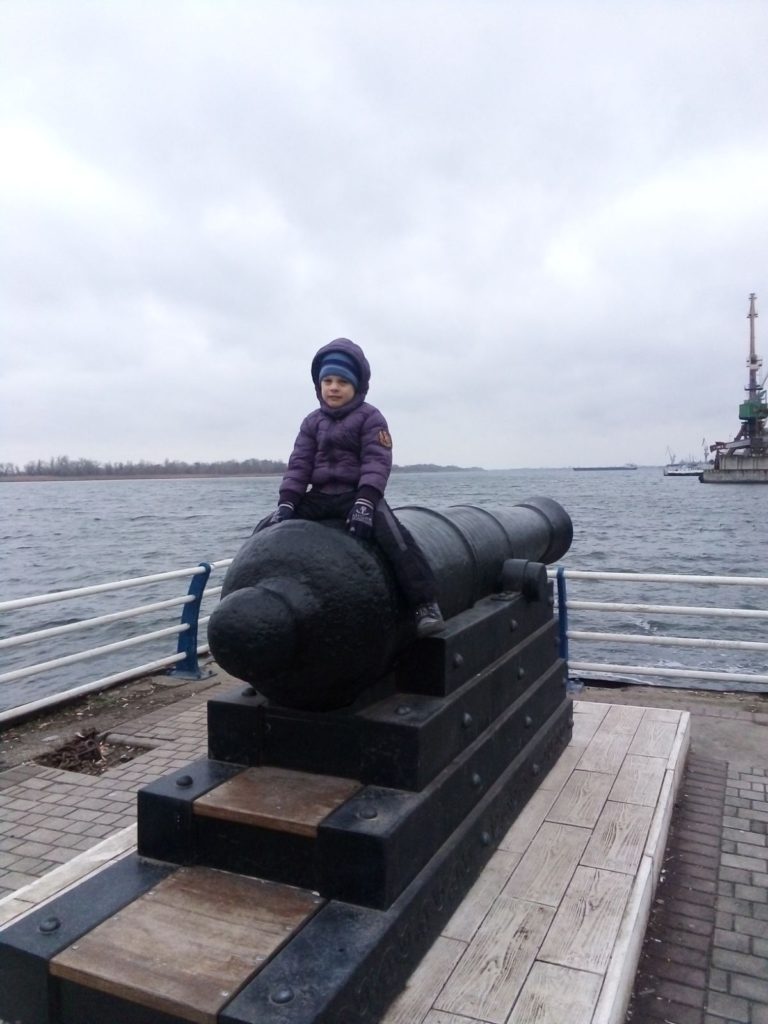
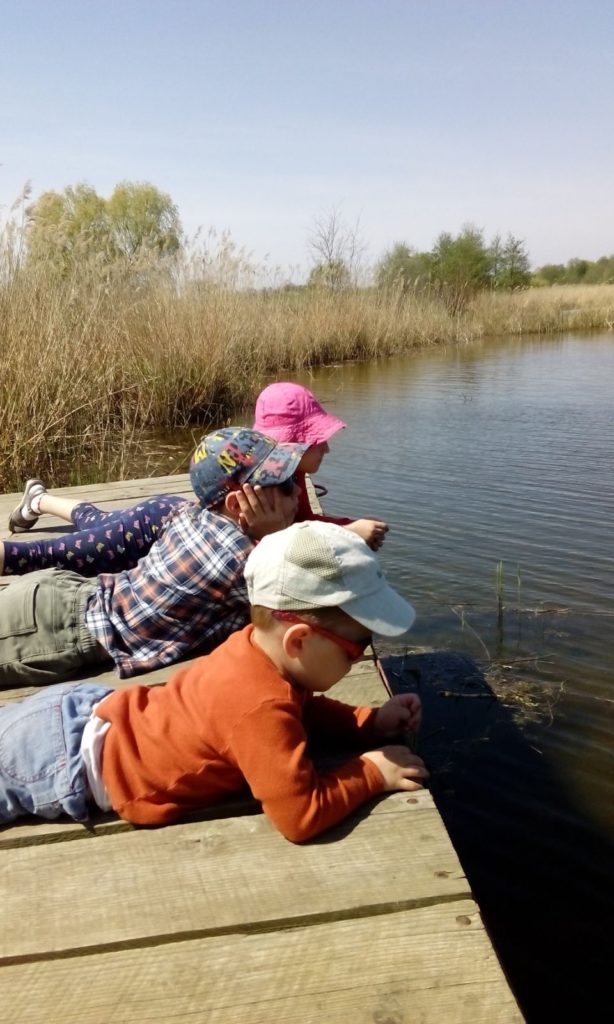
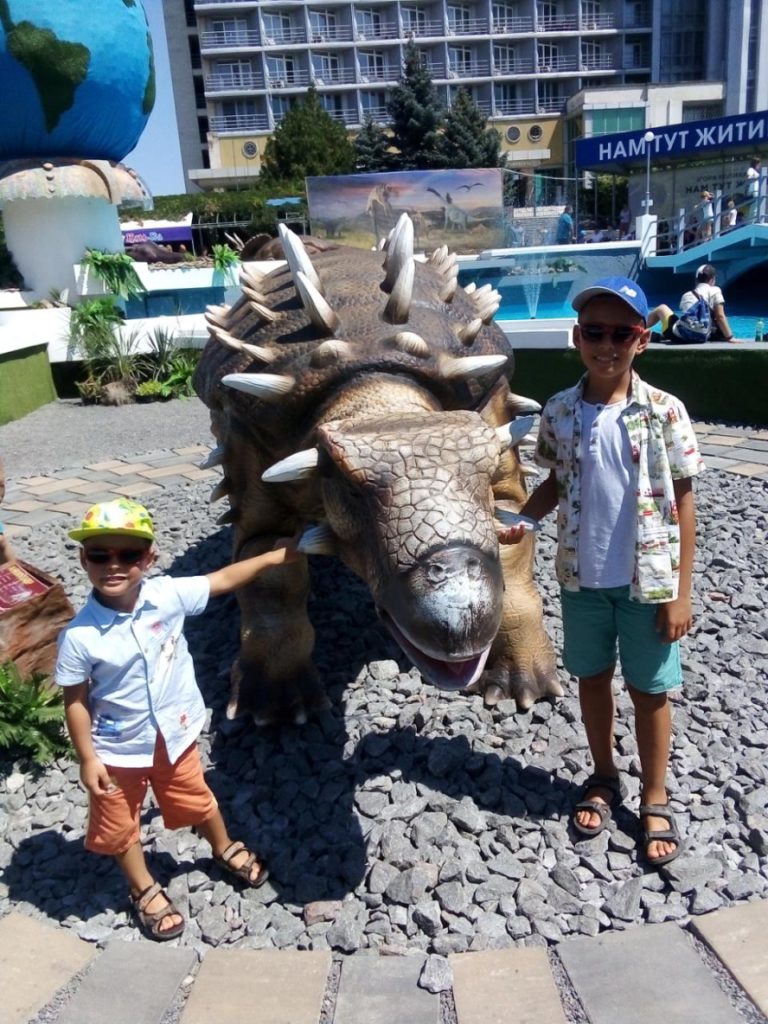
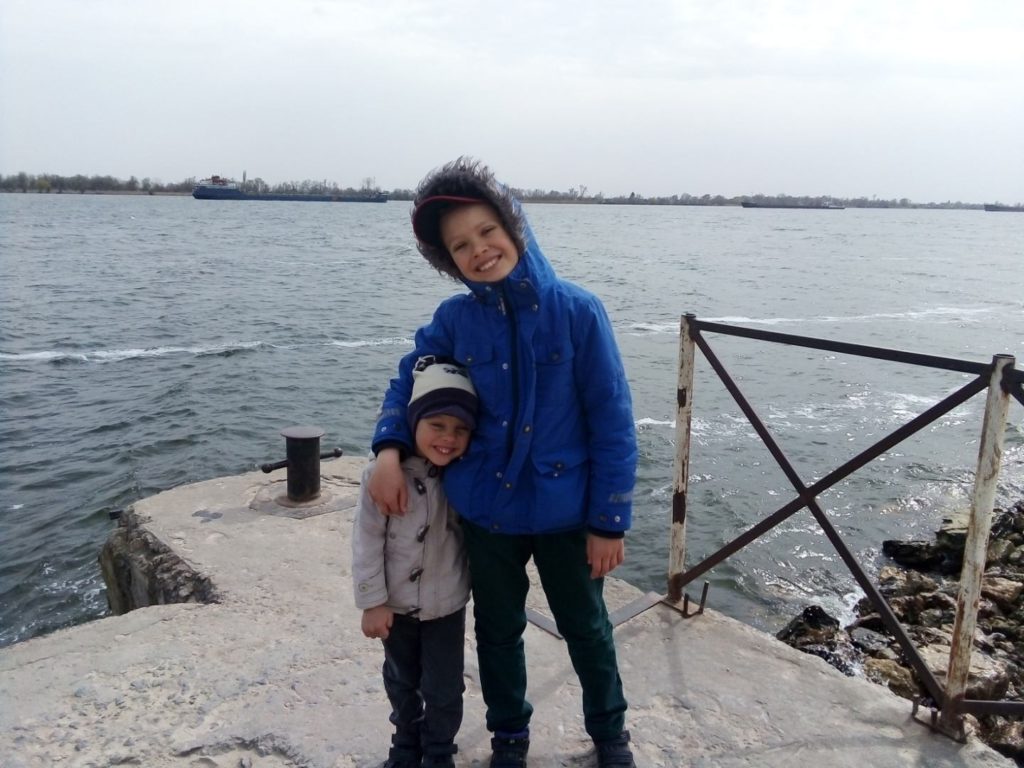
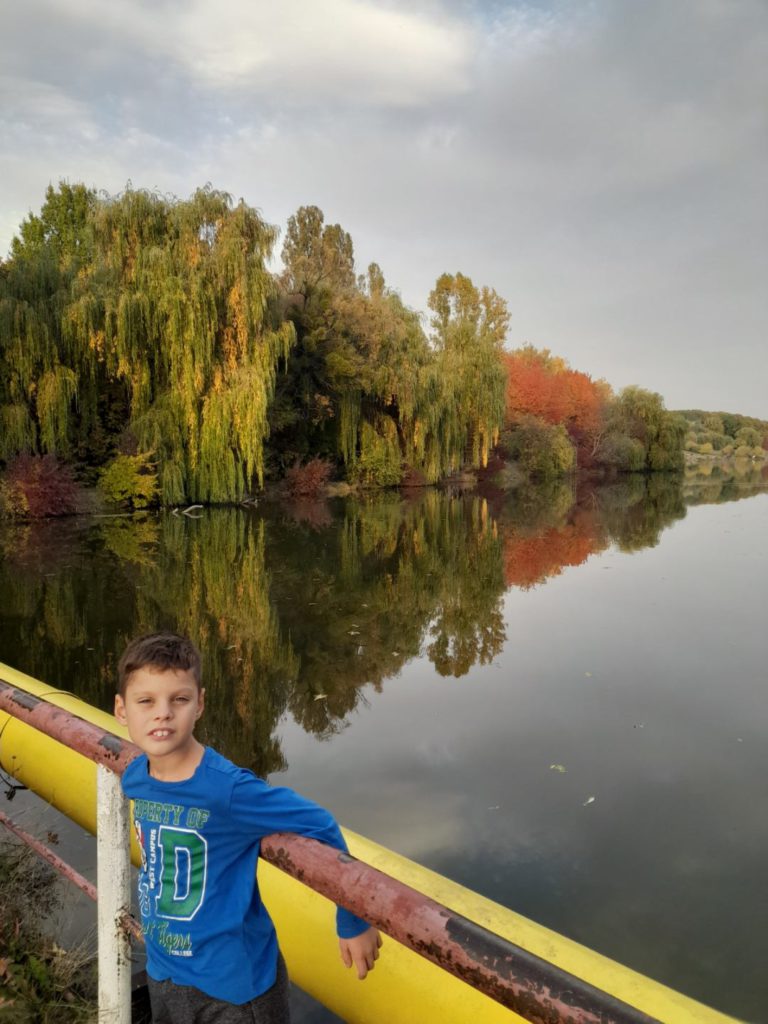
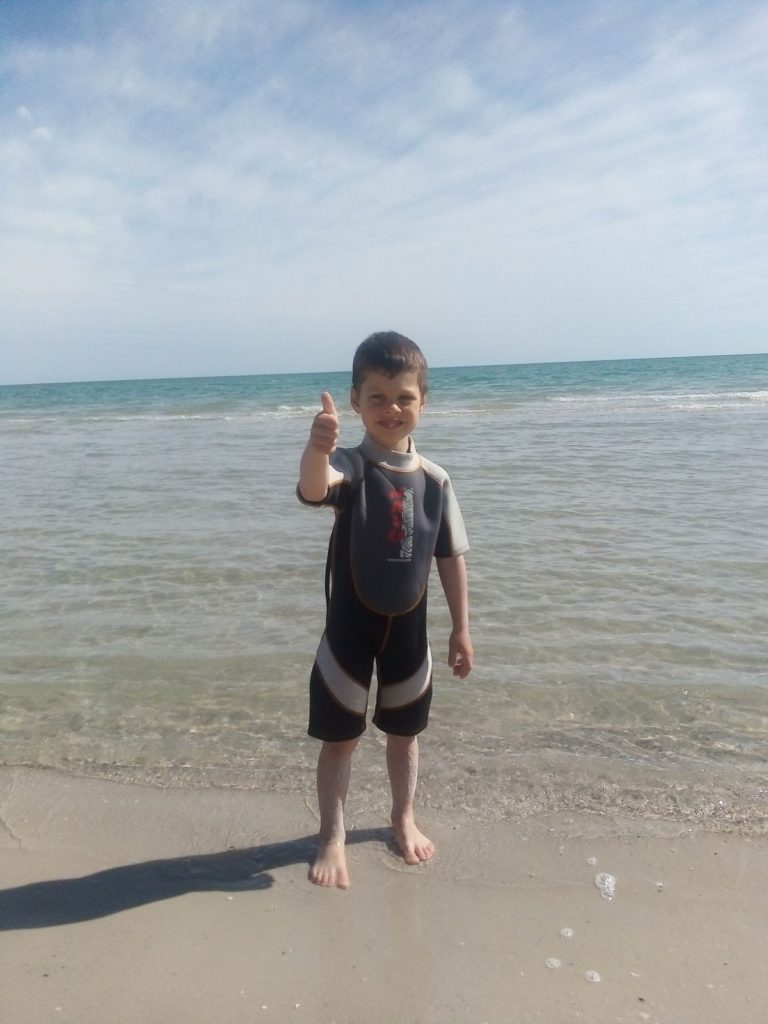
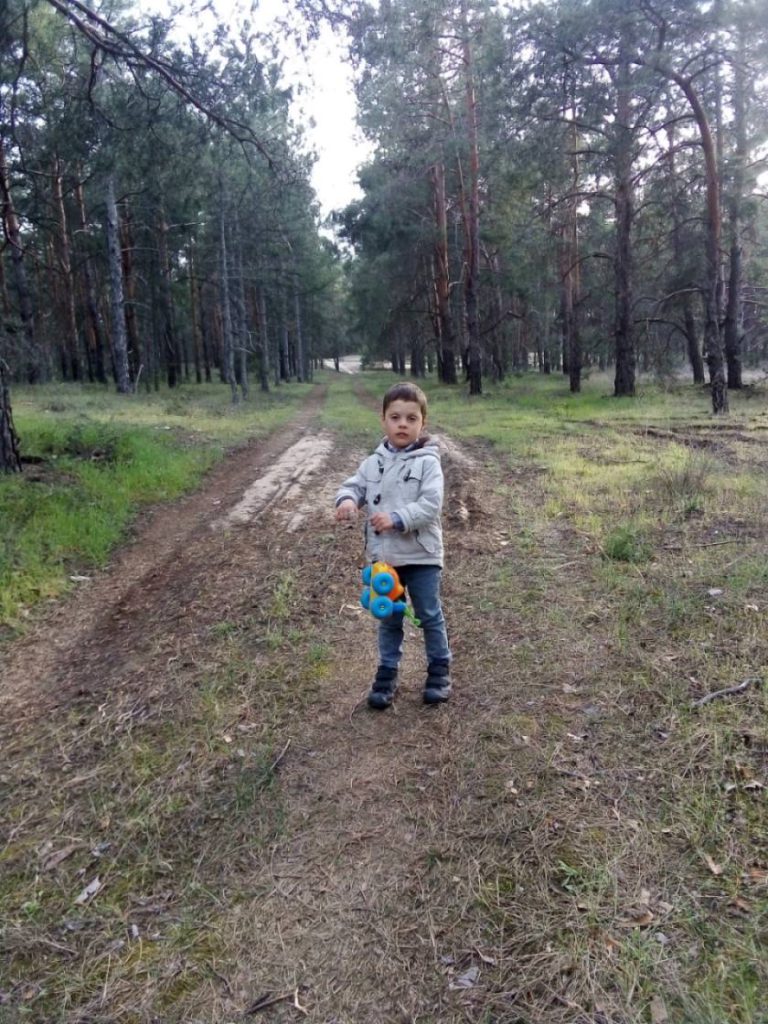
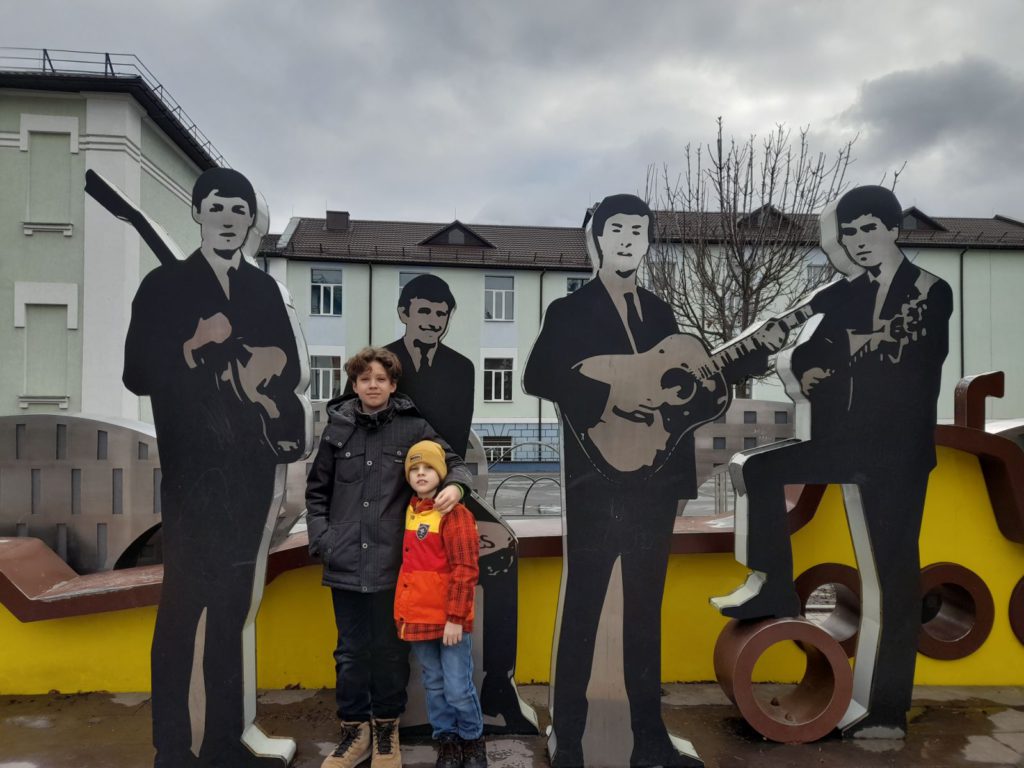
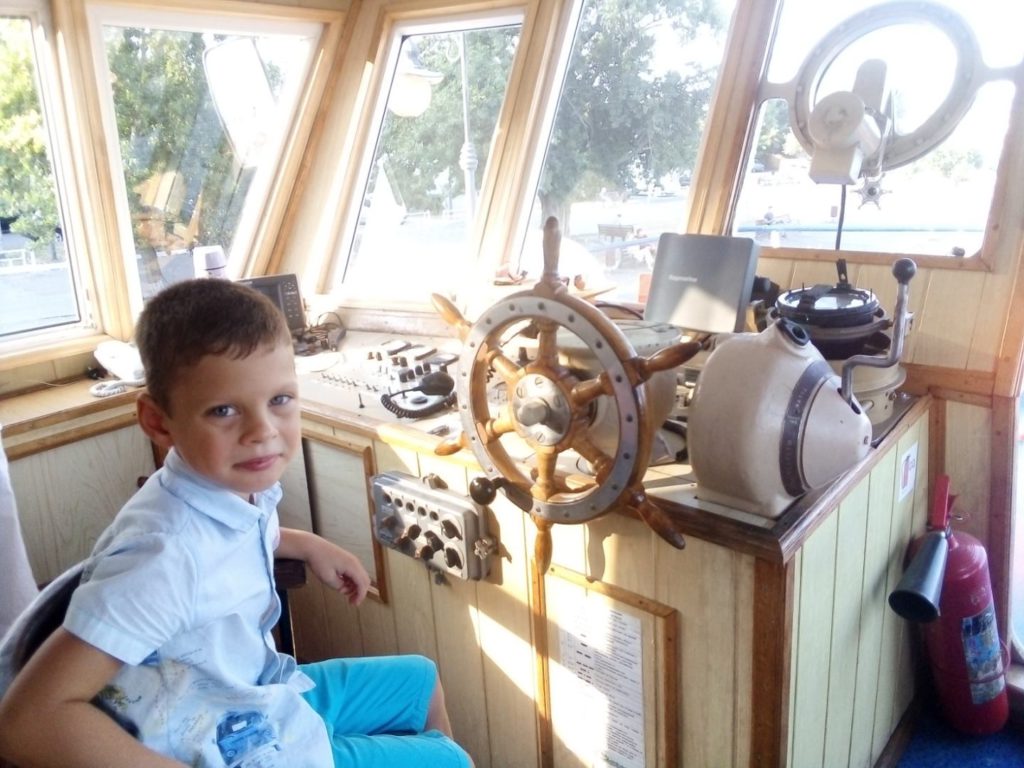
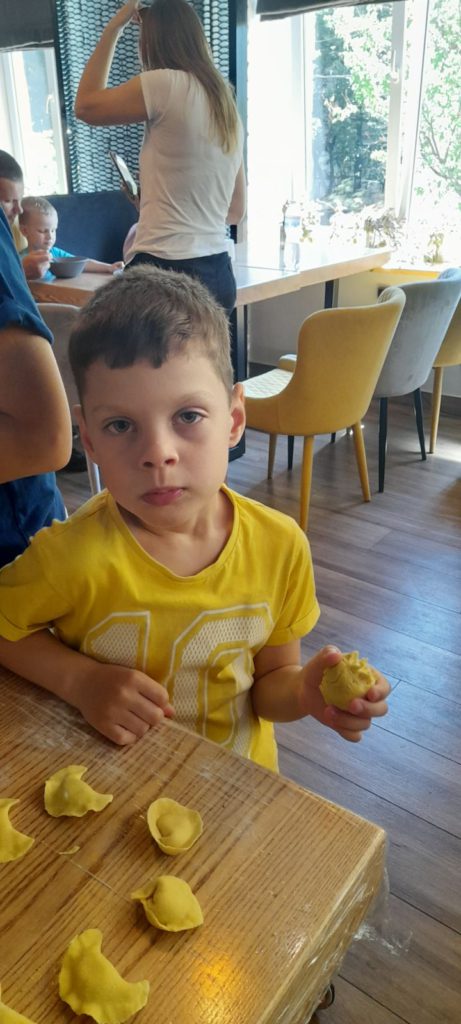
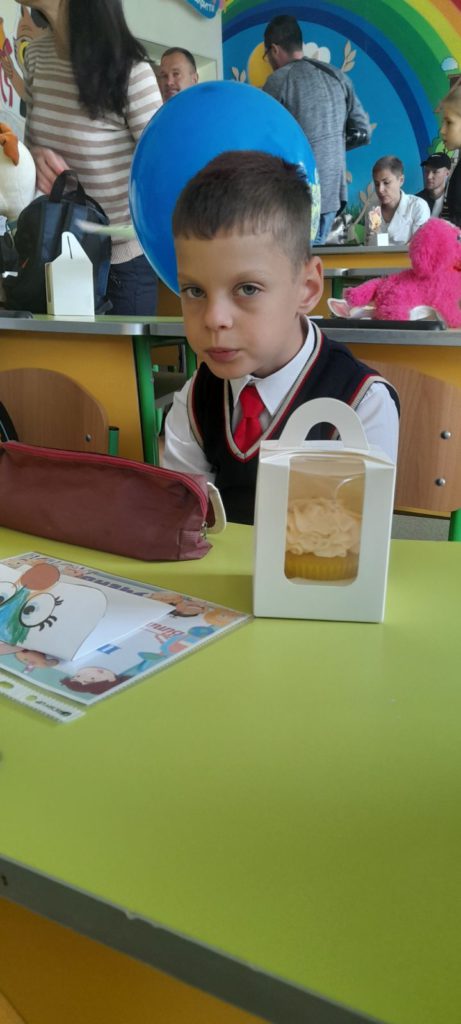
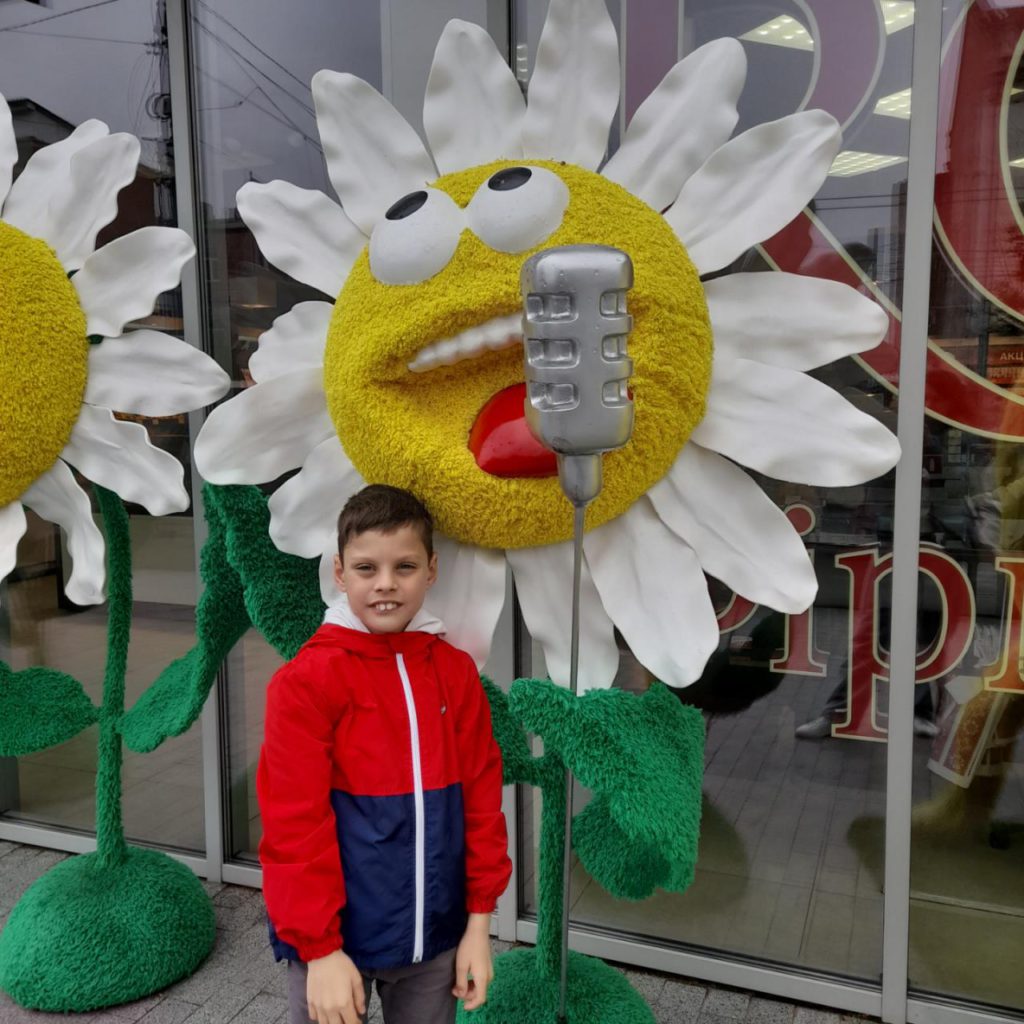
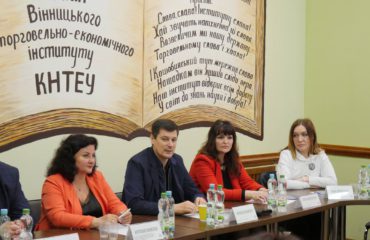
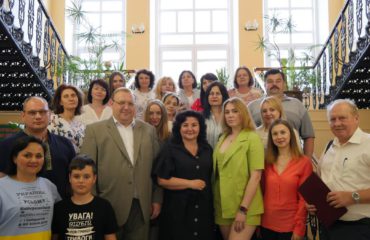
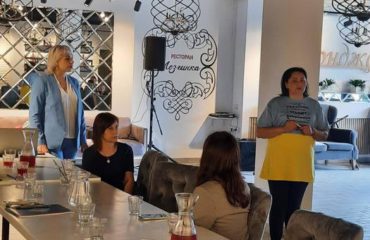
The survey was conducted by the NGO “Network of Civil Society Organizations Supporting Internally Displaced Persons in Ukraine” with the support of the Askold and Dir Foundation, administered by ISAR Ednannia, within the project “Strong Civil Society of Ukraine as a Driver of Reforms and Democracy,” funded by Norway and Sweden. The content of this publication is the sole responsibility of the NGO “Network of Civil Society Organizations Supporting Internally Displaced Persons in Ukraine” and does not necessarily reflect the views of the governments of Norway or Sweden, or of ISAR Ednannia.