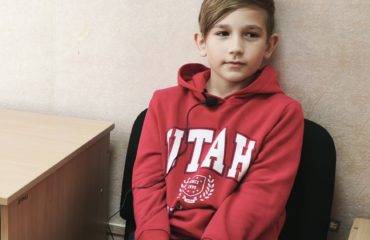
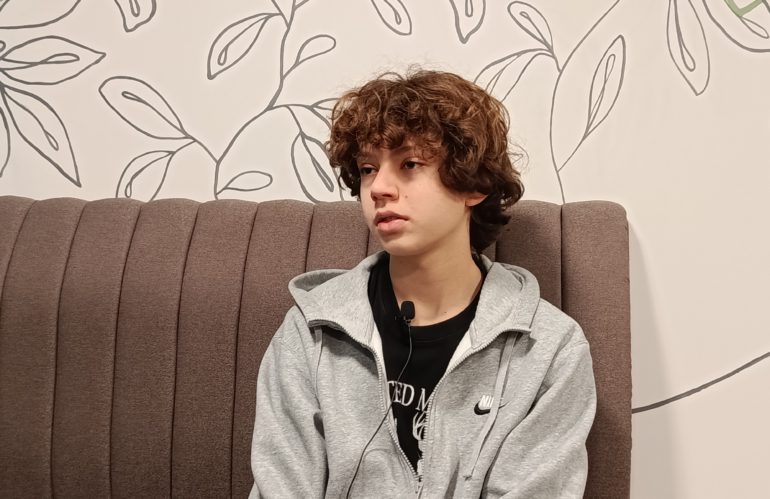
This is the story of a boy from occupied Kherson who experienced war as a schoolchild, hid from shelling in basements, passed Russian checkpoints, erased his phone before inspections, and left his home knowing he might never return.
Today, Rostyslav lives in Vinnytsia, studies, trains, and learns how to move forward with an experience no teenager should ever have.
🎥 Video story
🟦 1. WHO IS ROSTYSLAV
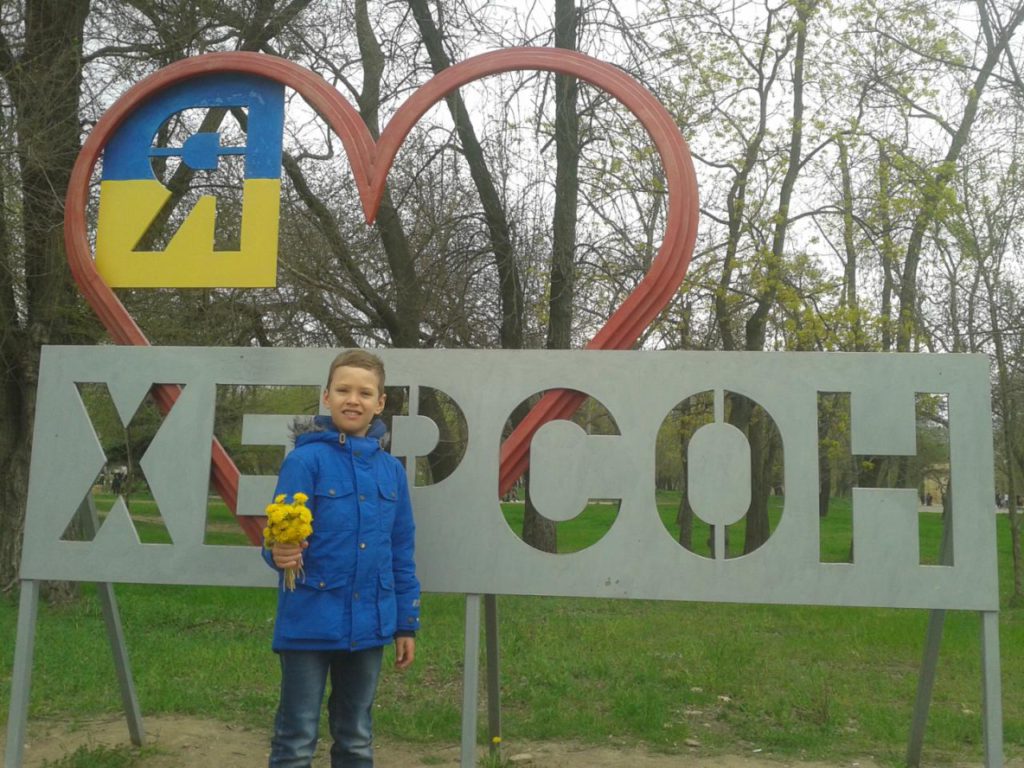
Rostyslav is 15 years old. He is from Kherson — a city that became a symbol of occupation and survival. When the full-scale war began, he was 11, a sixth-grade student living an ordinary school life.
Vinnytsia became the only possible destination — the only city where his family had relatives and a chance for safety.
💬 “My name is Rostyslav. I am 15 years old. I came from the city of Kherson.”
🟩 2. LIFE BEFORE THE WAR: HOME AND FRIENDS
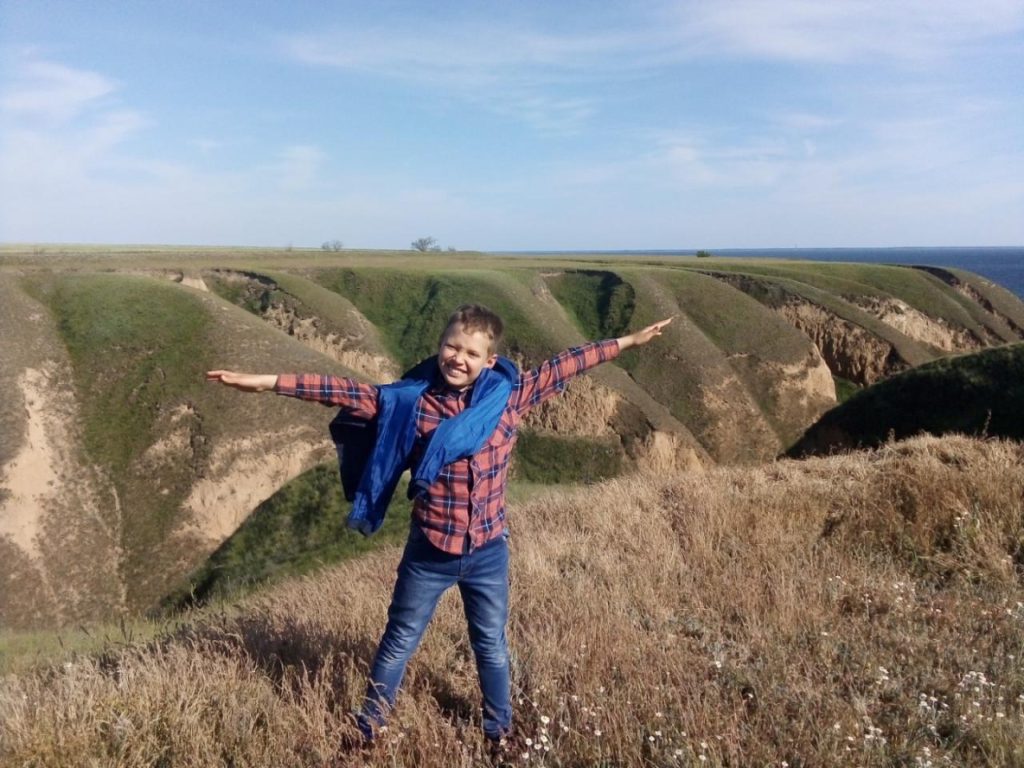
Before the war, Kherson was warm and familiar. Rostyslav had friends, his neighborhood, and a newly renovated apartment his family had just moved into. Life felt like it was only beginning.
Now those memories are fragile but precious.
💬 “Everything feels very warm when I remember it. I had friends. We had just moved into a new apartment.”
🟥 3. THE FIRST DAY OF THE WAR
That morning, Rostyslav was asleep. He was waiting for schools to reopen after distance learning. Instead, he was woken up and told they had to leave.
At first, it did not feel real — like a dream that would end.
💬 “I was asleep when they woke me up and said we had to leave. I asked, ‘Where?’ They said the war had started.”
💬 “At first, it didn’t feel serious. It felt unreal, like a dream.”
🟧 4. BASEMENTS AND SHELLING
The family first went to their grandparents’ house because it had a basement. They hoped it would be safer, but it turned out to be one of the most dangerous places.
Nights were filled with explosions and fear.
💬 “We thought it would be safer in the basement. But when we arrived, there were already battles.”
💬 “We ended up in the worst place.”
🟦 5. THE DECISION TO LEAVE
Leaving meant understanding that returning might never be possible. Kherson was already occupied.
They stayed for two more months, hiding and waiting.
💬 “We understood that if we left, we might never come back.”
🟪 6. THE ROAD THROUGH CHECKPOINTS
They left at dawn, in fog. Burned vehicles stood near their home. The road was full of cars and fear.
Russian checkpoints were terrifying. Even children knew they had to erase their phones.
💬 “There were many cars and people. There were Russian checkpoints, and it was very scary.”
💬 “Before leaving, we erased everything from our phones.”
🟦 7. VINNYTSIA: A TEMPORARY SAFE PLACE
After an exhausting journey, they spent the night in Uman and reached Vinnytsia in the morning. They lived with relatives for four months before finding housing.
It was difficult, but they were safe.
💬 “We were very happy when we finally reached Ukrainian-controlled territory.”
🟪 8. SCHOOL AFTER WAR
War destroyed the learning process. At first, there was no school at all. Later, Rostyslav consciously chose offline learning — he needed normal life back.
💬 “I missed school very much.”
🟦 9. GROWING UP TOO FAST
Today, Rostyslav studies at a lyceum, attends boxing and guitar lessons. His days are busy — school, training, homework.
War made him grow up faster than he should have.
💬 “Sometimes I miss Kherson, but I try not to think about it. I switch to other things.”
🟨 10. THE FUTURE, PEACE, AND A MESSAGE TO THE WORLD
Rostyslav dreams of victory and education. He understands Kherson will never be the same, but he hopes it will live again.
For him, heroes are Ukrainian soldiers. And the world must understand that helping Ukraine means protecting itself.
💬 “Heroes are the soldiers of the Armed Forces of Ukraine.”
💬 “Ukraine needs help. Peace is when it is safe and there is no war.”
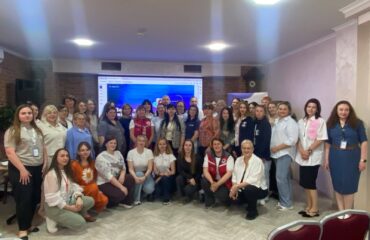
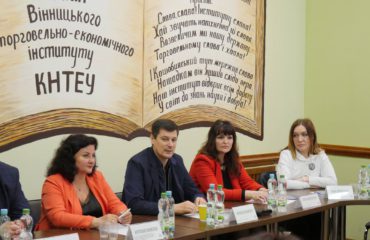
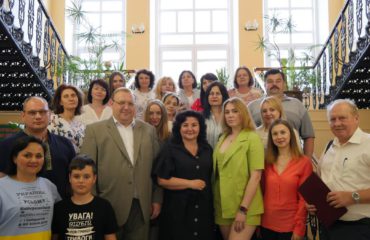
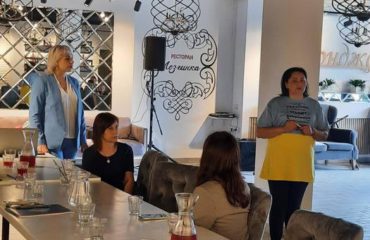
🟧 11. PHOTO GALLERY
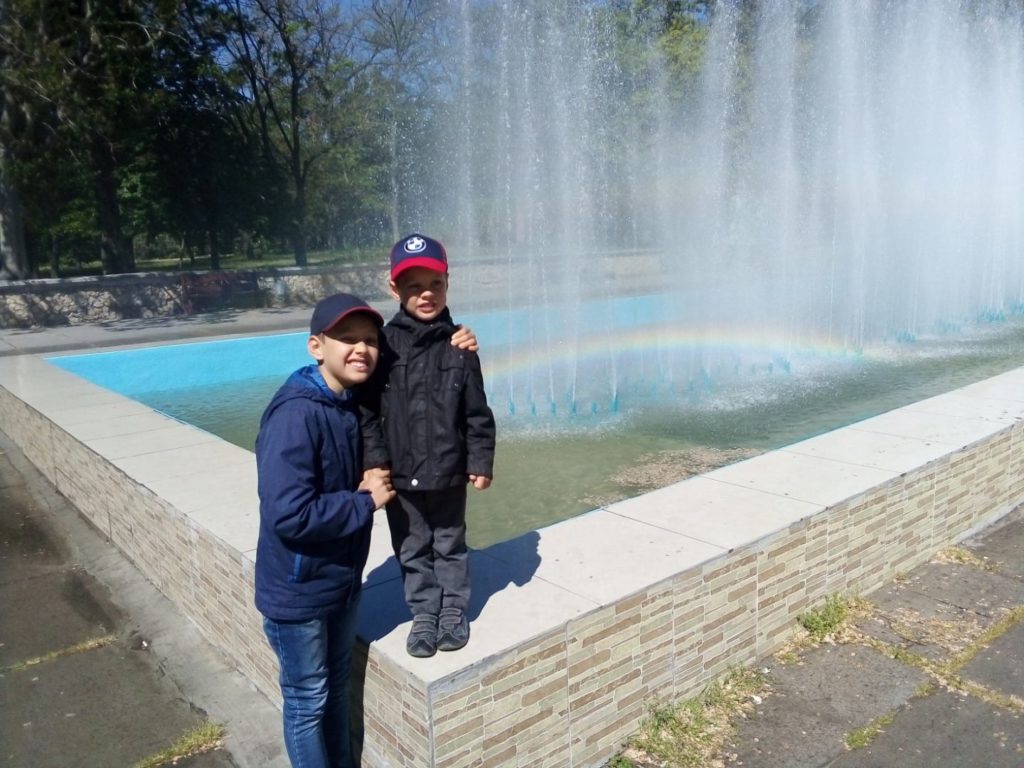
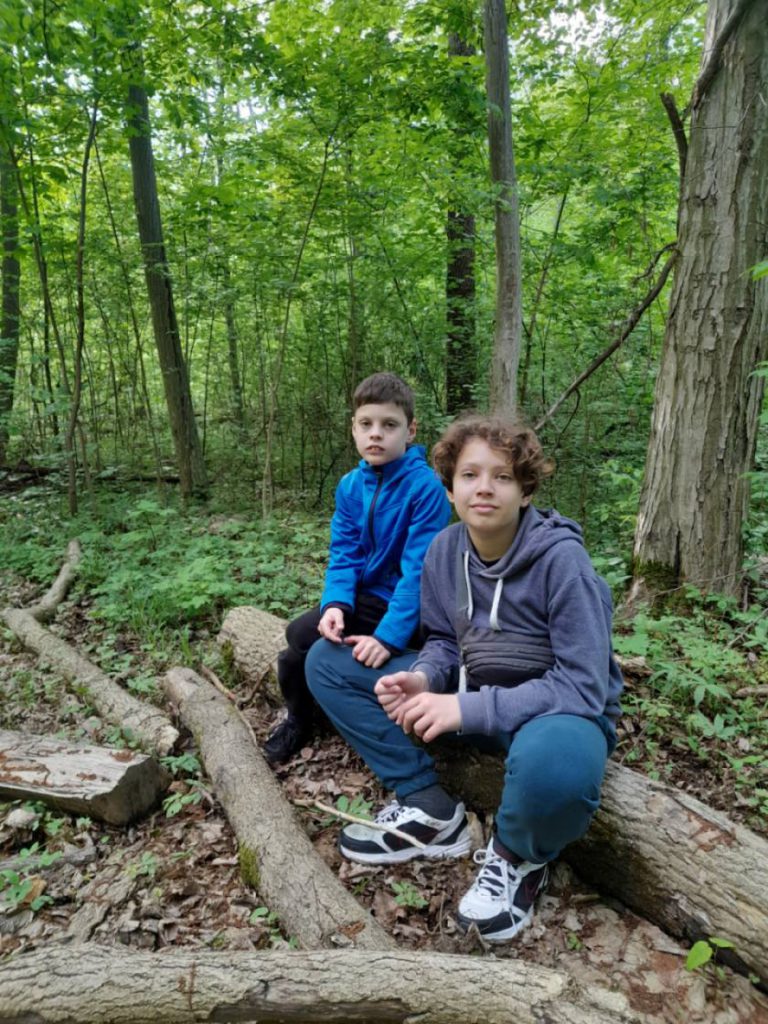
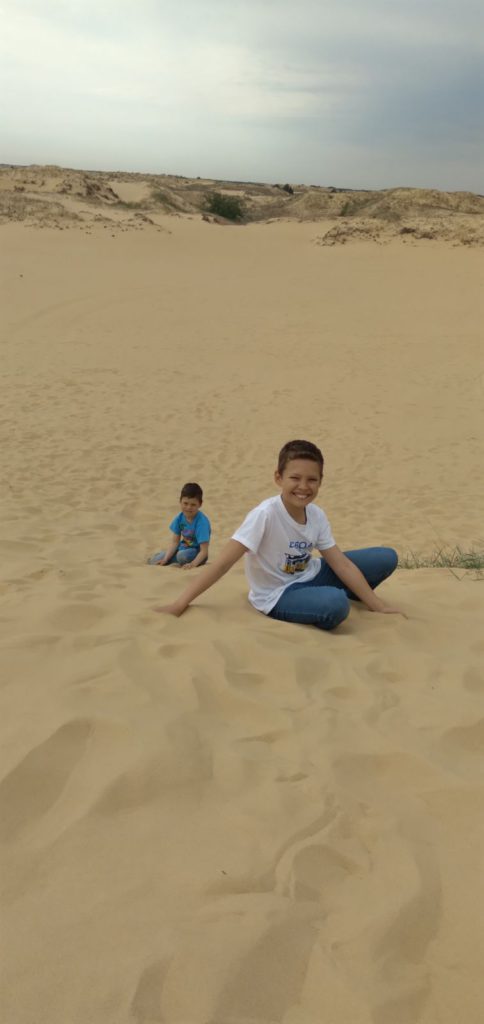
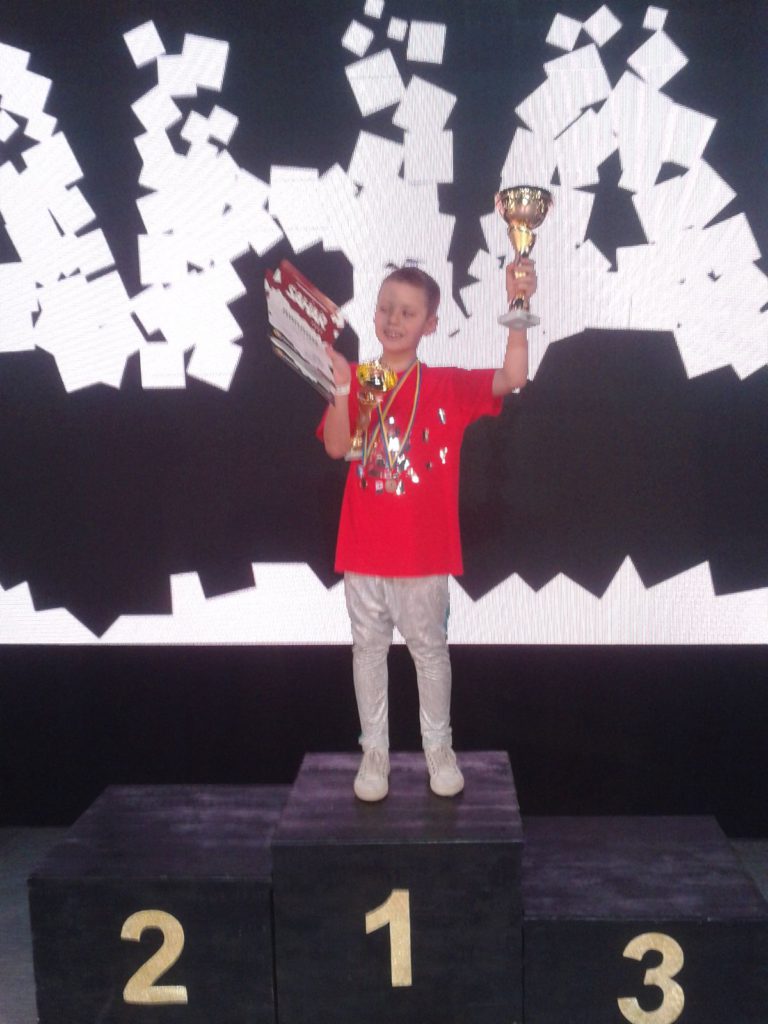
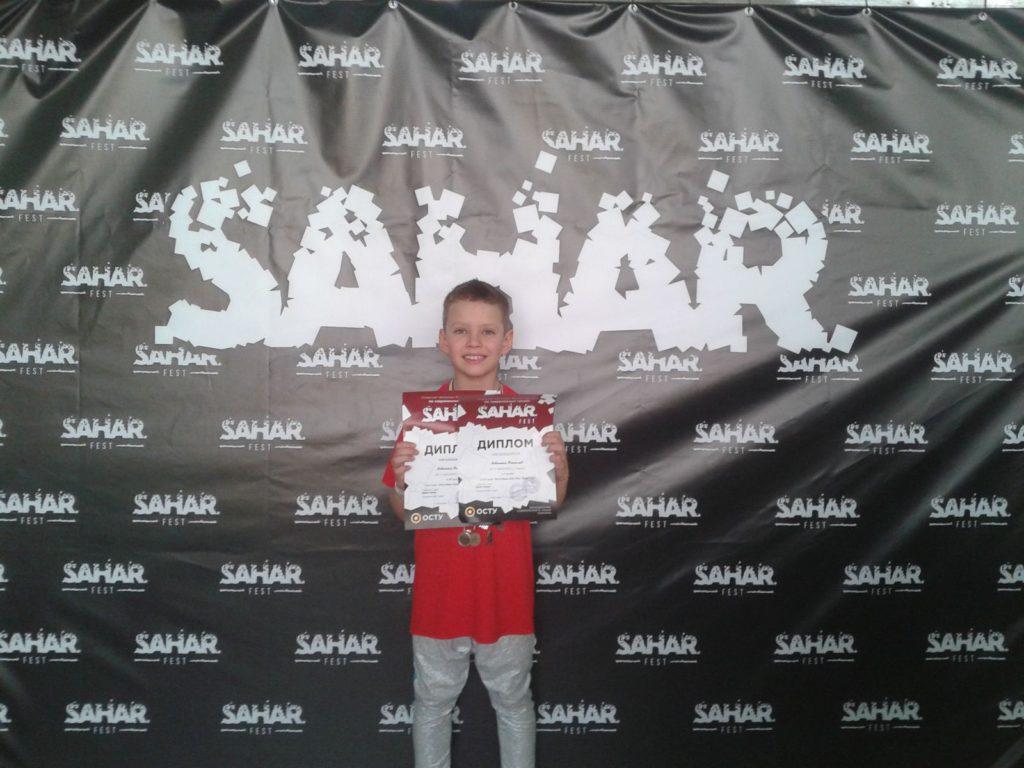
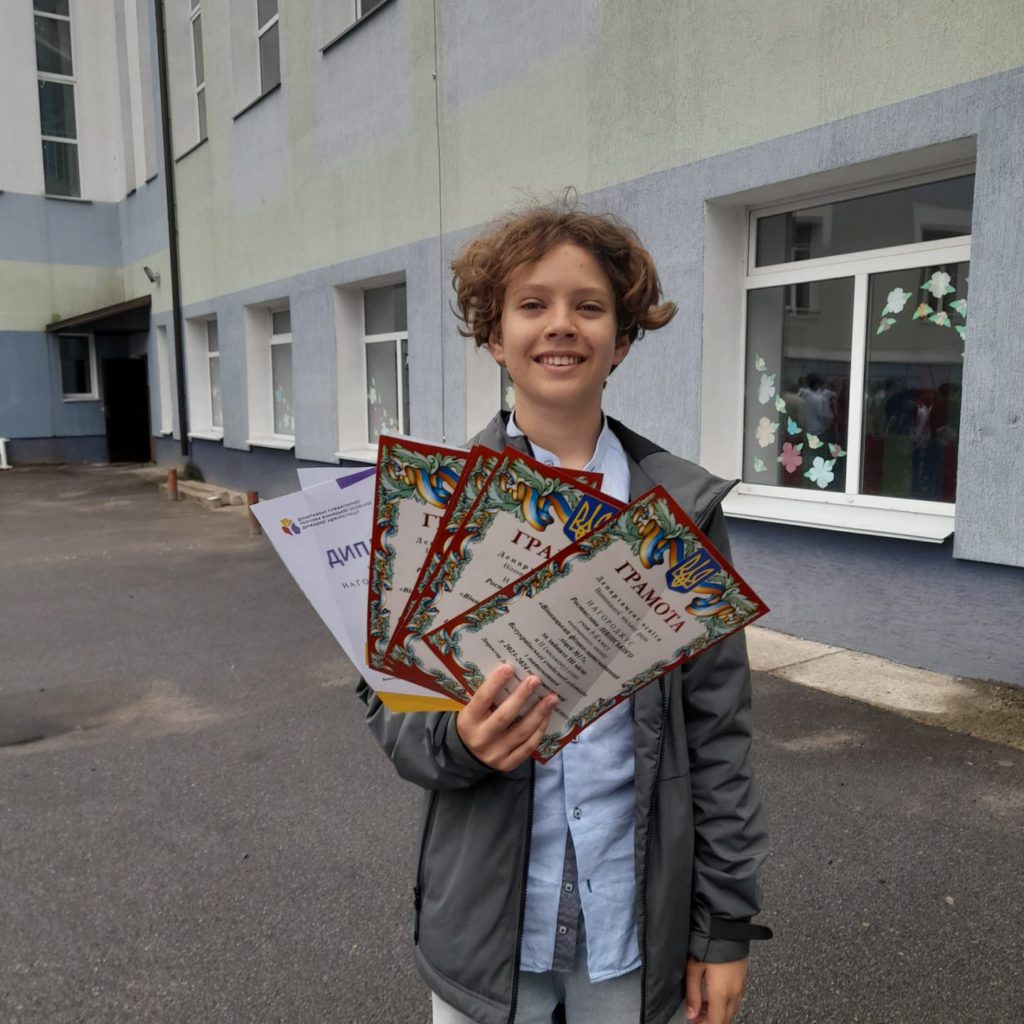
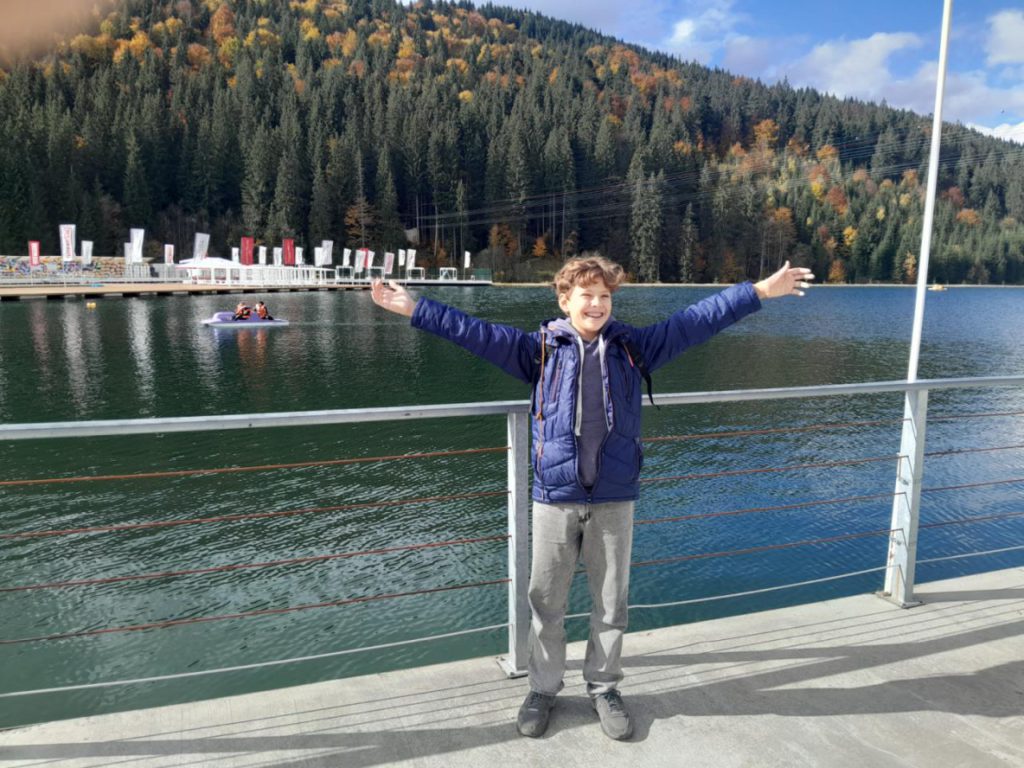
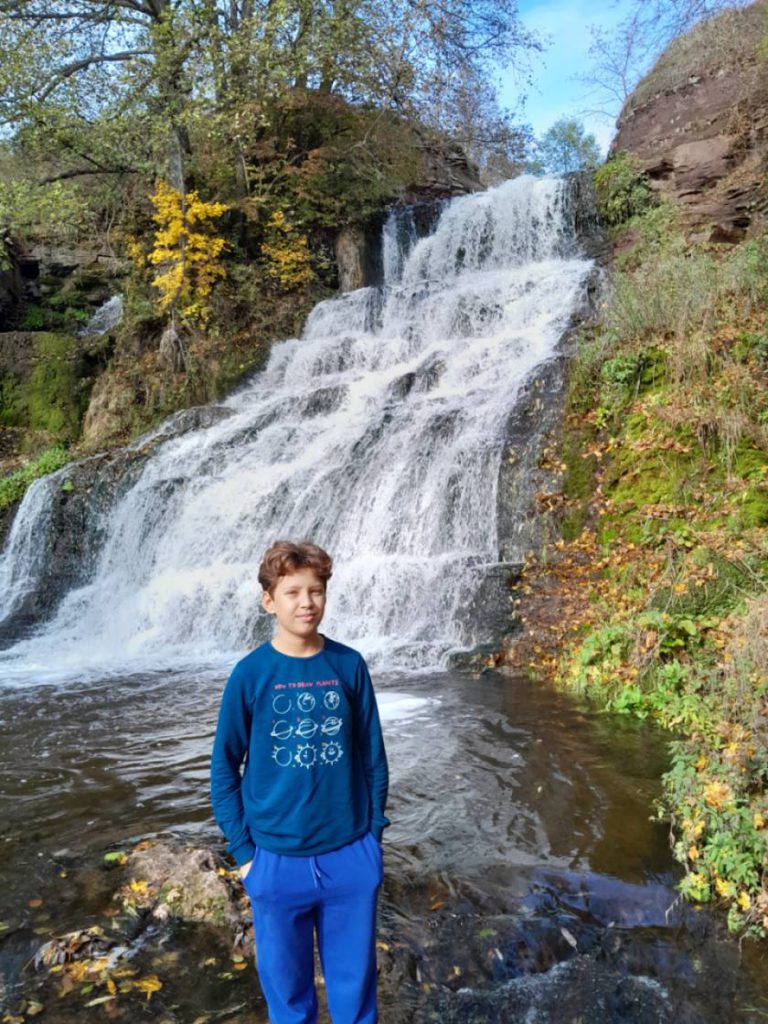
The survey was conducted by the NGO “Network of Civil Society Organizations Supporting Internally Displaced Persons in Ukraine” with the support of the Askold and Dir Foundation, administered by ISAR Ednannia, within the project “Strong Civil Society of Ukraine as a Driver of Reforms and Democracy,” funded by Norway and Sweden. The content of this publication is the sole responsibility of the NGO “Network of Civil Society Organizations Supporting Internally Displaced Persons in Ukraine” and does not necessarily reflect the views of the governments of Norway or Sweden, or of ISAR Ednannia.